




European funds support Poles’ health by investing in transport
World Health Day is a good time to emphasize that transportation investments translate directly into a decrease in traffic casualties through better infrastructure and traffic management systems, but also into an improved quality of life.
Green transportation and cleaner air
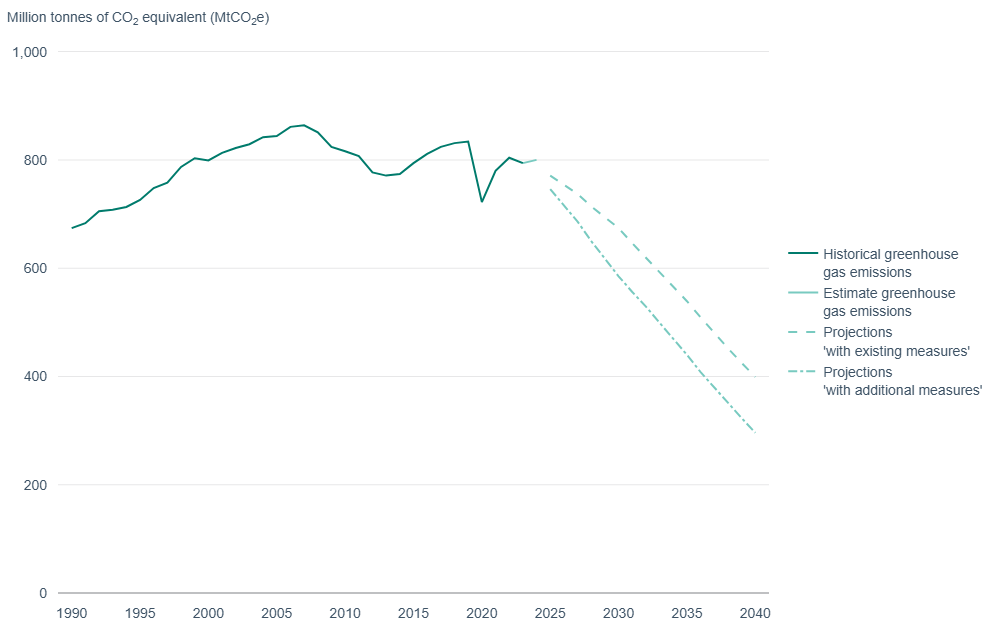
Air quality is a priority for the World Health Organization – and one of the key impact areas of transportation investments. In the EU, this very sector is responsible for more than 25% of greenhouse gas emissions, 73% of which come from road vehicles (source: Greenhouse gas emissions from transport in Europe | Indicators | European Environment Agency (EEA))
Thanks to funds from the European Funds and the National Recovery and Resilience Plan, Poland is implementing the largest clean urban transportation program in its history. In total, our country received PLN 9.3 billion for this purpose, of which we have already used more than 83%, or PLN 7.8 billion.
European funds finance projects that have a huge impact on the popularization of ecological lifestyles:
- The development of electric and hydrogen transportation in Polish cities – zero-emission buses are one of the largest deployments in the EU.
- New streetcar lines, low- and zero-emission regional transportation and the development of transfer centers are encouraging residents to be actively mobile.
- Shifting traffic from cars to rail and mass transit reduces emissions, noise and improves the quality of urban space.
Green public transportation – rail and urban – has up to 9 times lower CO₂ emissions compared to individual transportation, resulting in a reduction in respiratory and cardiovascular diseases.
Infrastructure that reduces accidents
EU funds support the construction, modernization and reconstruction of national roads, bypasses and ITS systems, improving the safety of traffic participants including, among other things, the elimination of so-called “black spots.
- Road projects financed by FEnIKS include the construction and modernization of national roads, including bypasses, which reduce the risk of accidents in built-up areas.
- The use of traffic management systems and ITS in cities – eligible under FEnIKS calls – reduces collisions and improves pedestrian safety.
Infrastructure investments have played an important role. The value of current road investments is PLN 57.7 billion. From December 2023 to the end of 2025, more than PLN 38.6 billion was allocated for the construction of highways, expressways, bypasses and modernization of the road network. In 2025 alone, motorists have gained nearly 400 kilometers of new safe routes, and tenders have been announced for nearly 390 kilometers of additional roads. In 2026, another 290 km or so of national roads are planned to be put into service, Deputy Infrastructure Minister Stanislaw Bukowiec said in January 2026.
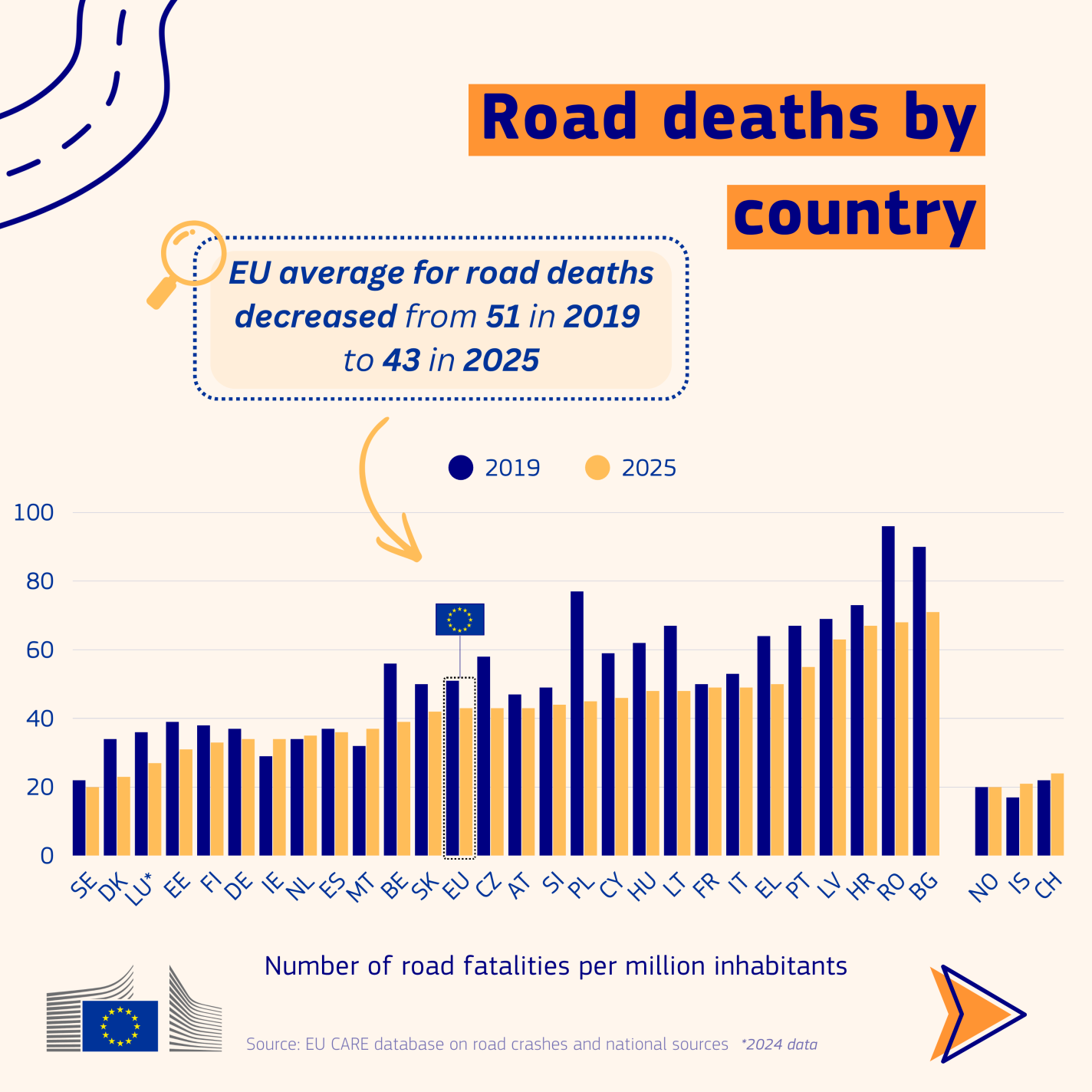
In 2025, the European Commission reported that our country is on track to achieve the goal of reducing road fatalities by 50 percent by 2030. According to Eurostat, we have seen a 43 percent decrease since 2019 (source: https://ec.europa.eu/commission/presscorner/detail/pl/ip_26_672).
Rather than an “average” country, Poland has become Europe’s top performer in recent years in terms of the rate of safety improvement. Although we are still chasing countries such as Sweden and Denmark in absolute numbers, we are at the forefront of the European Union in terms of the rate of decline in the number of victims.
It seems that we have made a giant leap. Between 2019 and 2024, we saw a 35% drop in the number of fatalities, the best result in the entire EU (with an EU average of only about 12%). Even better are the figures for 2025, when the number of casualties fell to a record low of 1,651 people. This means that in a decade we have reduced the number of tragedies on the roads by almost half. For this unprecedented progress, Poland received the prestigious PIN Award, dubbed the “Oscar of road safety” (source: Police Statistics – Annual Reports)
Transport accessibility is an investment in social health
Modernization of railroad stations – including those in Otwock, Deblin, Skierniewice and Koluszki – increases the accessibility of public transportation for the elderly and people with disabilities through the implementation of PRM TSI standards.
Modern interchanges, P&R parking lots and ITS systems improve travel comfort and promote the choice of environmentally friendly forms of mobility.
Safety on the tracks confirmed by the numbers
In rail transportation, we have also moved into the league of the safest countries. The accident rate yardstick, i.e. the number of incidents per million kilometers traveled, is currently about 1.7 in our country, which puts us at the forefront of the stability and predictability of the system in Europe. Extremely importantly, the statistics from your links and the latest UTK reports for 2024/2025 (source: UTK Data – Transport Accident Rate) show a real decrease in the number of accidents at railroad crossings. Thanks to the elimination of collision intersections and the construction of overpasses, the number of dangerous incidents at these locations is steadily decreasing, making the Polish railroad one of the most trustworthy modes of transportation in the region.
Education in the service of security
W projektach transportowych finansowanych z UE przewidziano także programy edukacyjne promujące odpowiedzialne i bezpieczne korzystanie z infrastruktury, w tym rowerowej, pieszej i transportu zbiorowego. Najbardziej rozpoznawalną inicjatywą jest kampania edukacyjna Urzędu Transportu Kolejowego „Kolejowe ABC”.
Transportation therefore plays a key role in public health: it affects air quality, accident rates, the availability of health services and the level of physical activity of residents.
Strategic support from the EU
This promotion to Europe’s “safe” elite is not a coincidence, but the result of billions of dollars of investment supported by EU funds. Programs such as FEnIKS, OPI&E and funds from the NIP have made it possible to finance specific solutions:
- Safe infrastructure: Thousands of kilometers of new expressways have separated high-speed traffic from pedestrians.
- Illuminating crossings: Modern lighting of thousands of “zebra crossings” has made pedestrians visible from a great distance.
- Equipment purchase: BRD is also buying modern equipment for firefighters and for emergency medical services.
- Modern railroads: Automatic train braking systems (ERTMS) and track modernization have eliminated human error on the railroad.
- Educational activities: Numerous educational campaigns for children, adolescents and adults. Prevention is much less costly than treatment.
Thanks to the European Funds, Poland is making its largest-ever investments that improve the safety and living conditions of its citizens – including in terms of health.
Various
 17 June 2026 | Various
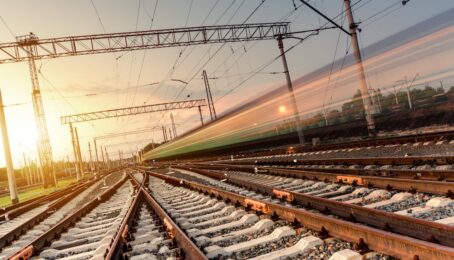
Preliminary Market Consultations on International and Interprovincial Rail Transport
1.2026.WKR_Preliminary Market Consultation on the Provision of Public Mass Transit Services for Interprovincial and International Passenger Rail Transport.
CEUTP, on behalf of the Ministry of Infrastructure, is announcing a Preliminary Market Consultation. Sign up and take part in preparing a key procurement process for passenger rail transport.
More
 12 June 2026 | Various
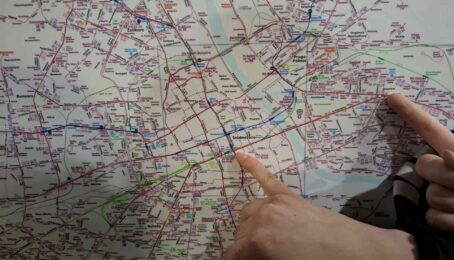
Community Mobility – A City Scavenger Hunt Funded by the EU. Report, Workshops, and Conclusions
On June 11, Warsaw hosted a unique urban game titled “Community Mobility, ” organized by the Center for EU Transport Projects. The event combined education about European funds, a practical assessment of the city’s accessibility, and the integration of participants representing diverse backgrounds.
More
 11 June 2026 | Various
Summary of the first conference under the Polish Presidency of the European Union
On January 30-31, 2025, the ICE Congress Center in Krakow hosted an international conference entitled “Development, European Style. What Development Policy for a Secure, Resilient, and Globally Competitive European Union?”. The event was organized by the Ministry of Development Funds and Regional Policy in cooperation with the Ministry of Climate and Environment as part of the Polish Presidency of the European Union.
More
 11 June 2026 | Various
Challenges Facing Polish Transportation – CEUTP partnerships the 14th Polish Infrastructure Congress
How can we effectively implement EU funds and eliminate administrative barriers in transportation projects? During the 14th Polish Infrastructure Congress, the CEUTP experts will present strategic solutions for the development of roads and railways. Check out the schedule of presentations by our colleagues.
More
Contact us
Plac Europejski 2, 00-844 Warsaw
Monday – Friday,
hours: 8:15 am – 4:15 pm


