




We get up from behind our desks: CEUTP on Via Carpatia (S19) – a visit to the Lublin section of the EU investment.
- Maybe you would like to read: Full coverage of the visit on the blog: Getting up from behind our desks – or a visit to Via Carpatia
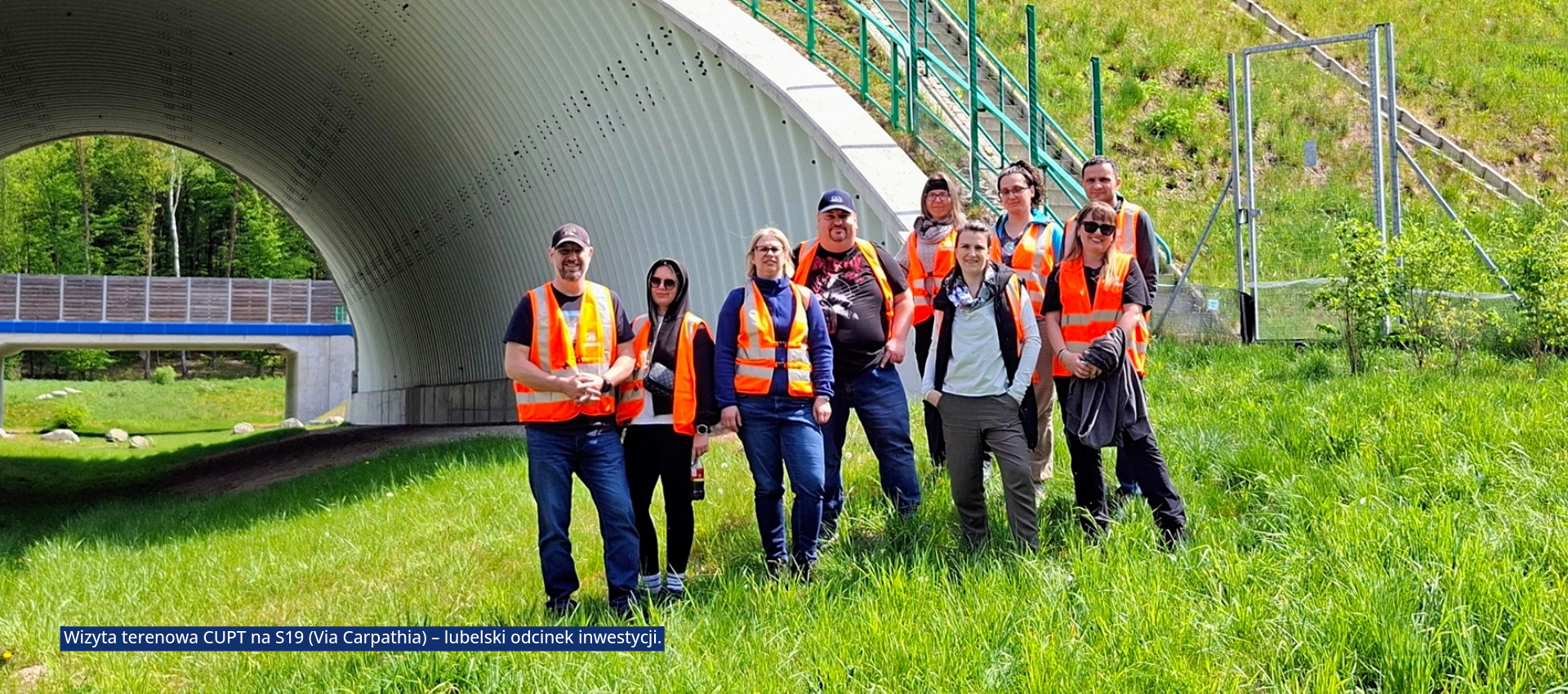
Why we went to the field
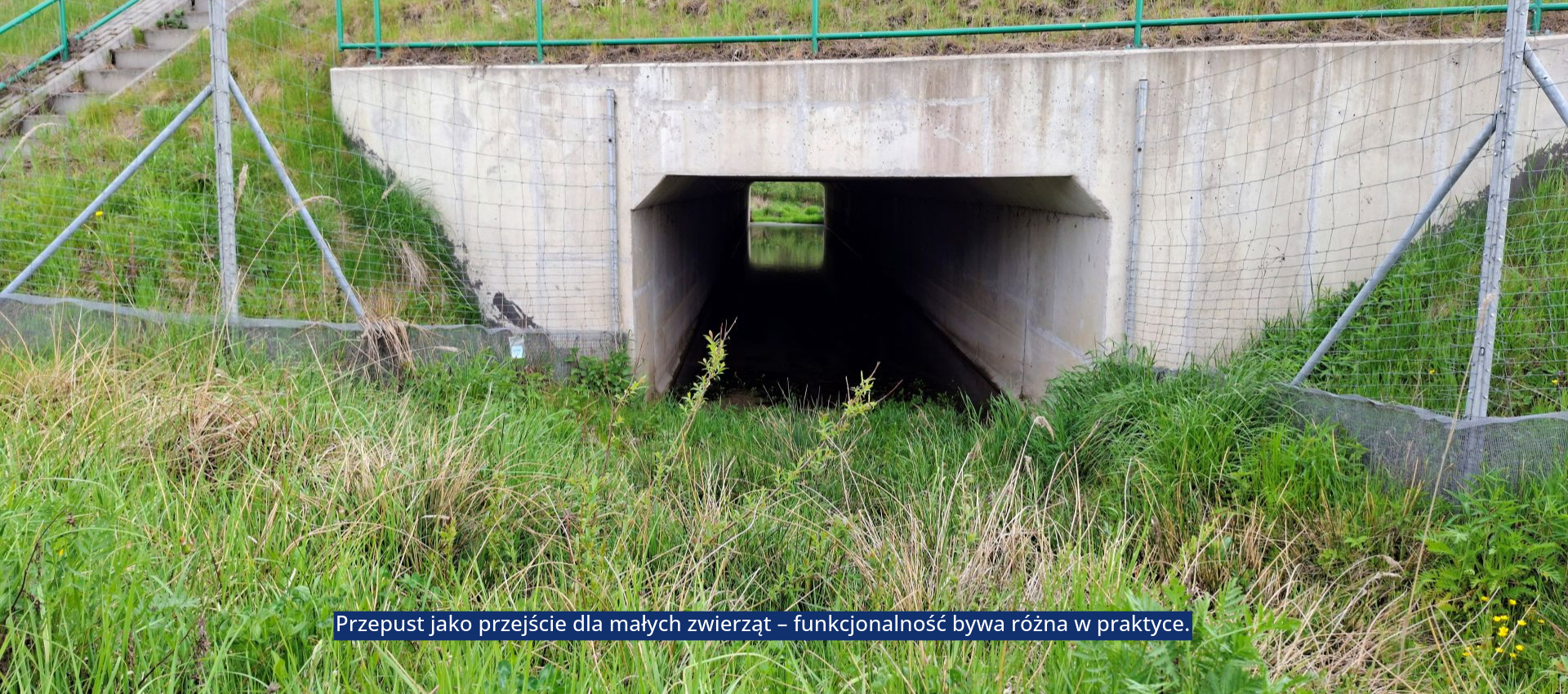
Documents and photos help, but are no substitute for a site visit. In the field, it’s easier to assess whether environmental solutions are working as planned. It’s also easier to talk about problems that arise during implementation and after the road is put into service.
The visit was organized thanks to the cooperation with the General Directorate for National Roads and Motorways, Lublin Branch.
Via Carpatia in Poland – briefly about the route
Via Carpatia is an important transport route in eastern Poland. In the country, it includes sections of the S61 and S19 expressways. Ultimately, the S19 is to be about 570 km long. The largest number of completed sections is in the Lublin Voivodeship.
Nature conservation on S19: animal migrations and crossings
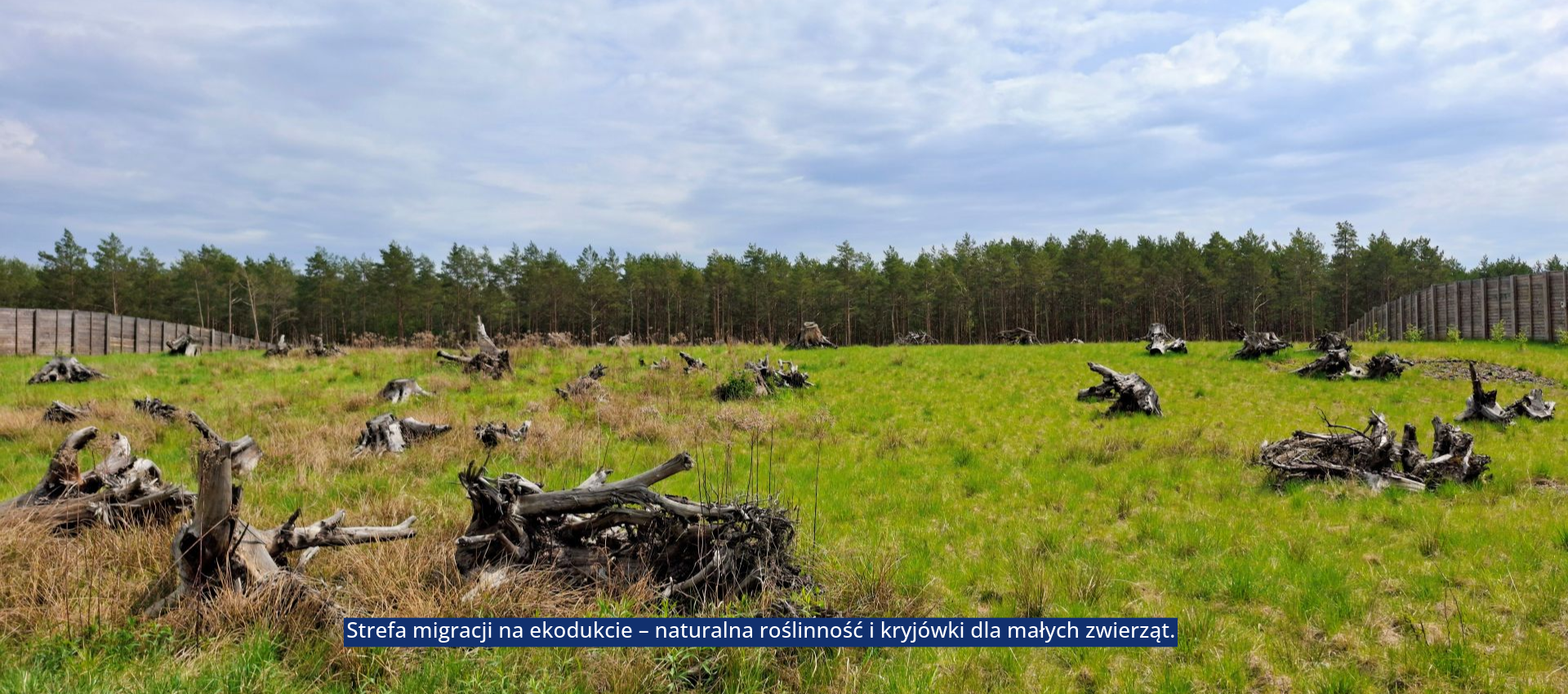
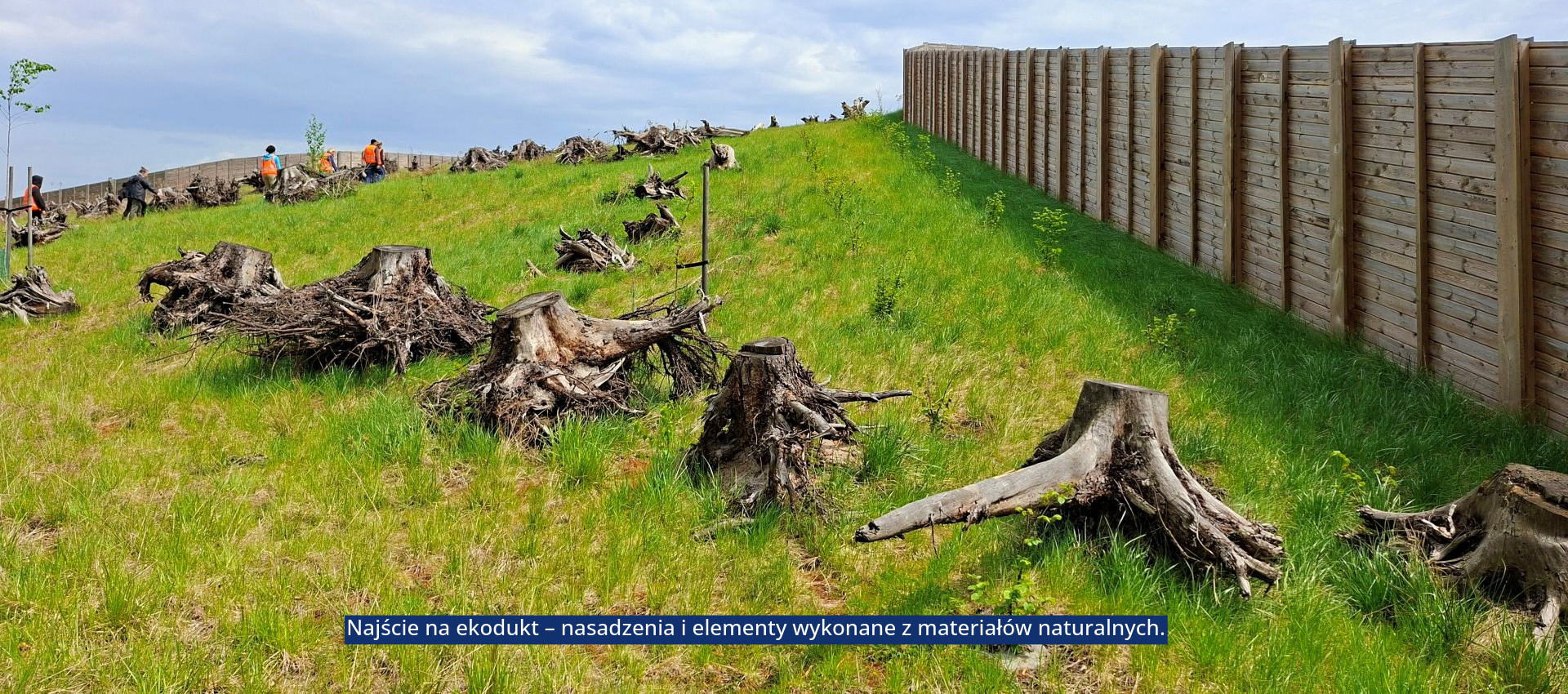
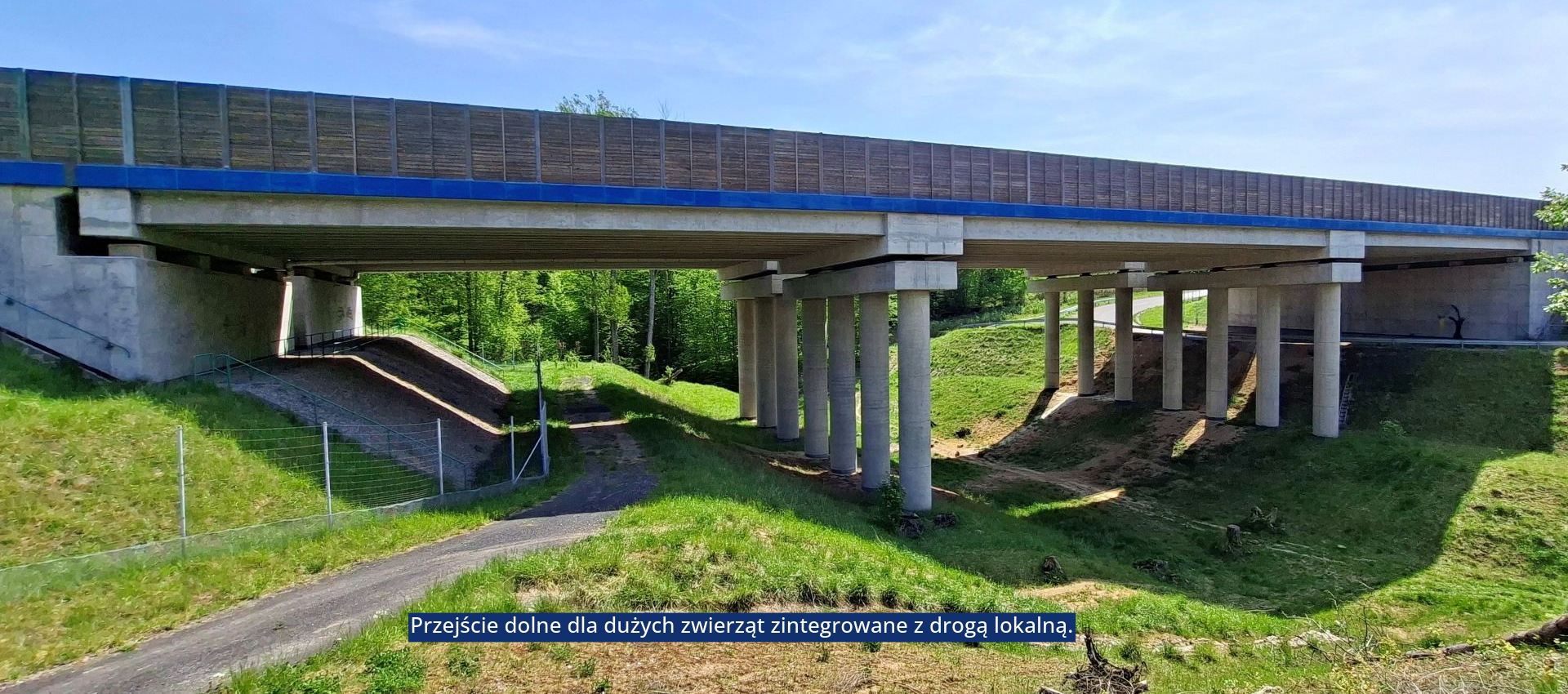
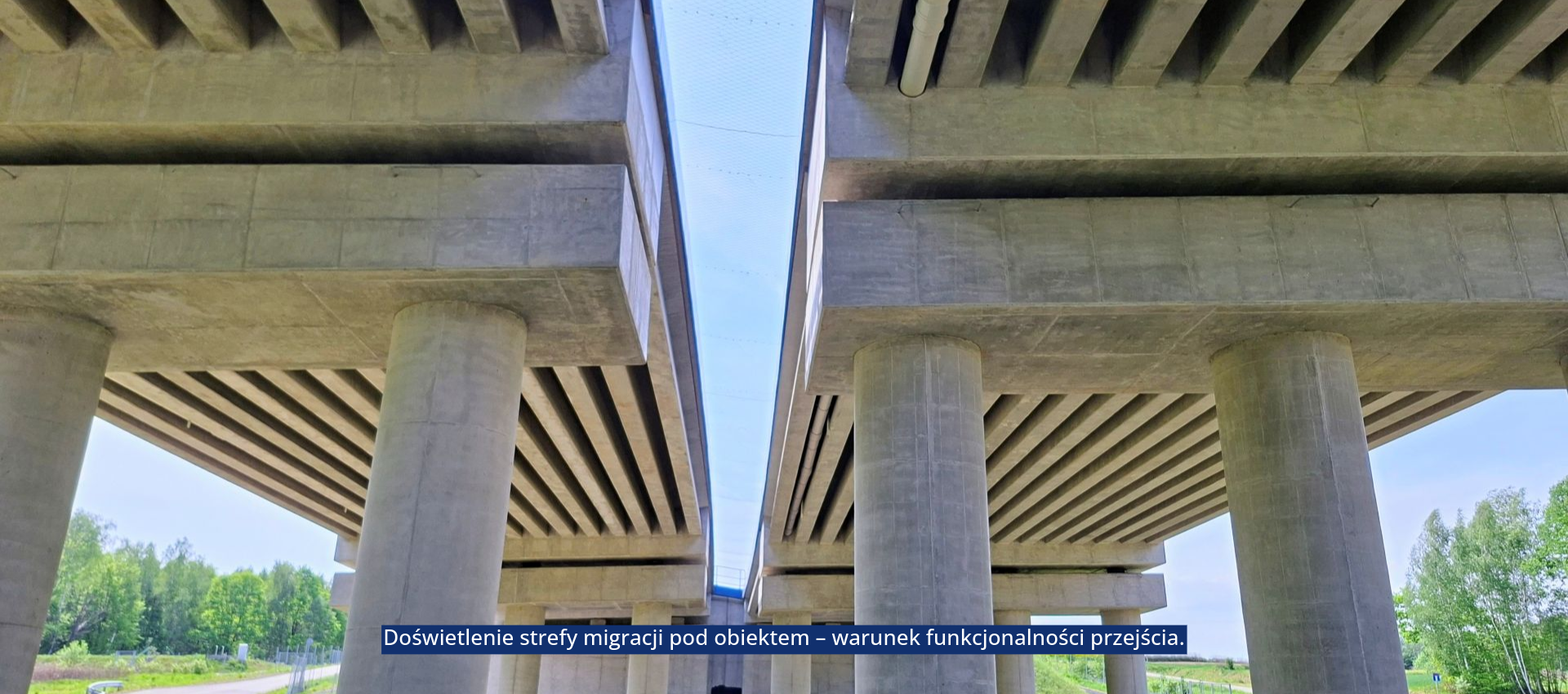
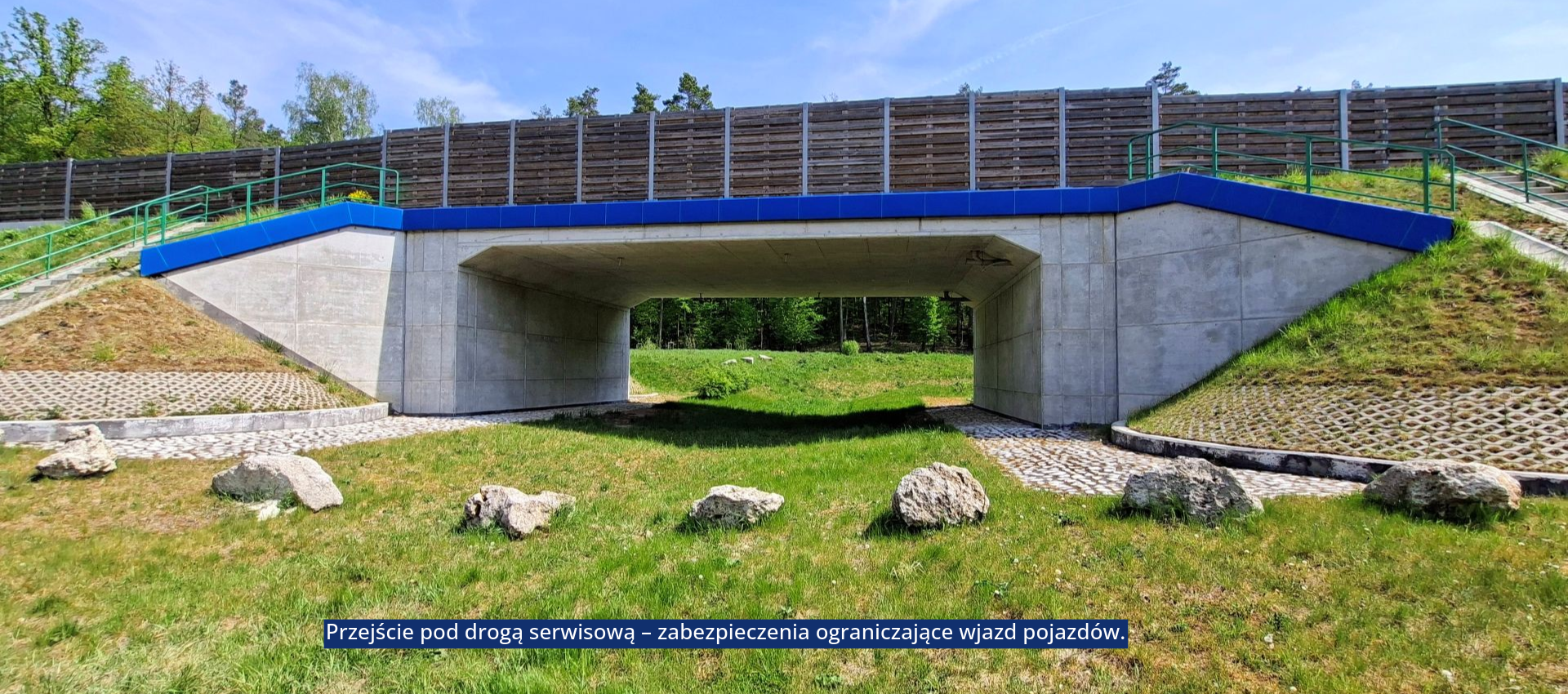
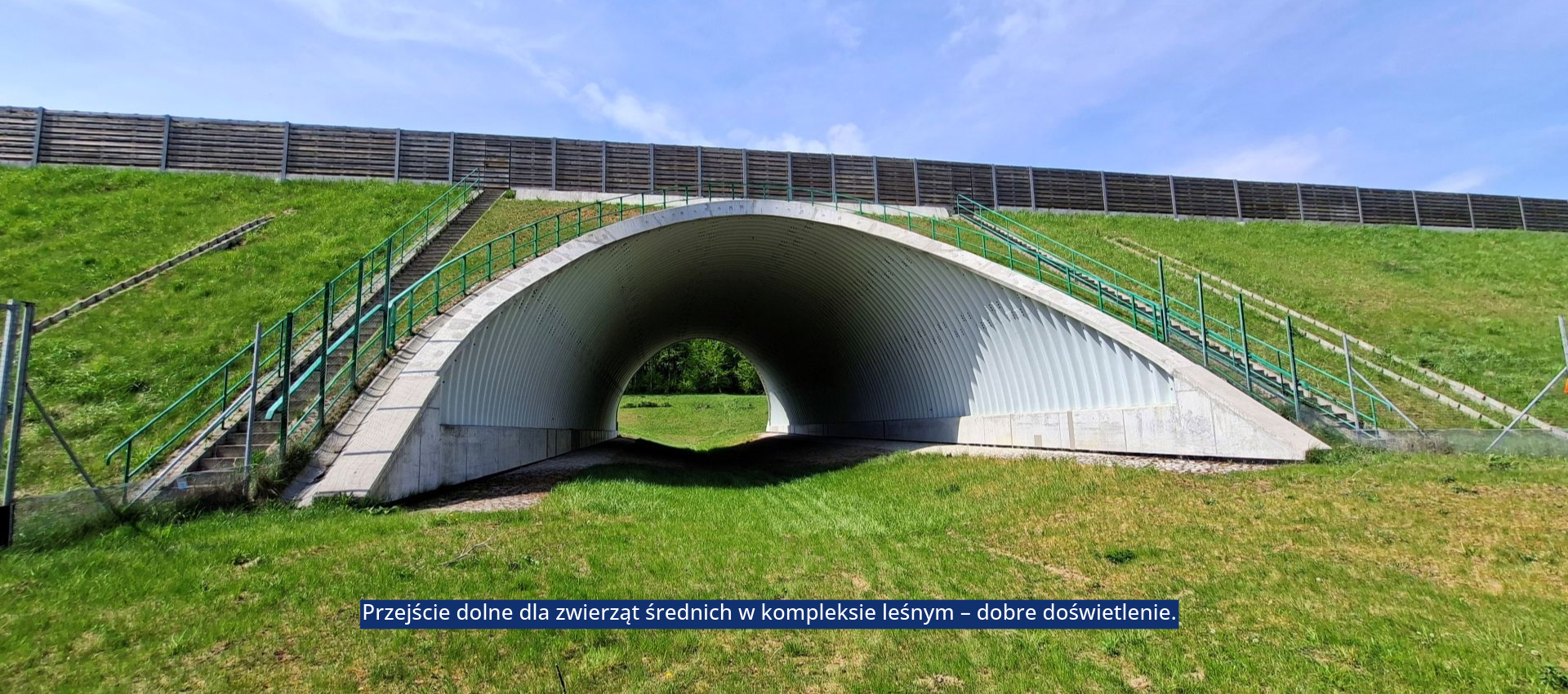
Eastern Poland is a very valuable natural area. There are also numerous animal migration routes through the region. This calls for the construction of facilities that direct migration and increase safety:
- For animals – so that they can cross safely,
- For drivers – to keep animals off the road.
During the visit, we viewed several animal crossings, mainly lower crossings and one upper crossing (ecoduct).
Ecoduct in the Janów Forest – a “large-scale” solution
We visited an ecoduct in the Janov Forest. It is a facility with a span of about 60 meters. It facilitates the movement of animals in the Roztocze area. The applied management of the migration zone helps different species use the passage.
What can be seen only after the road is put into use
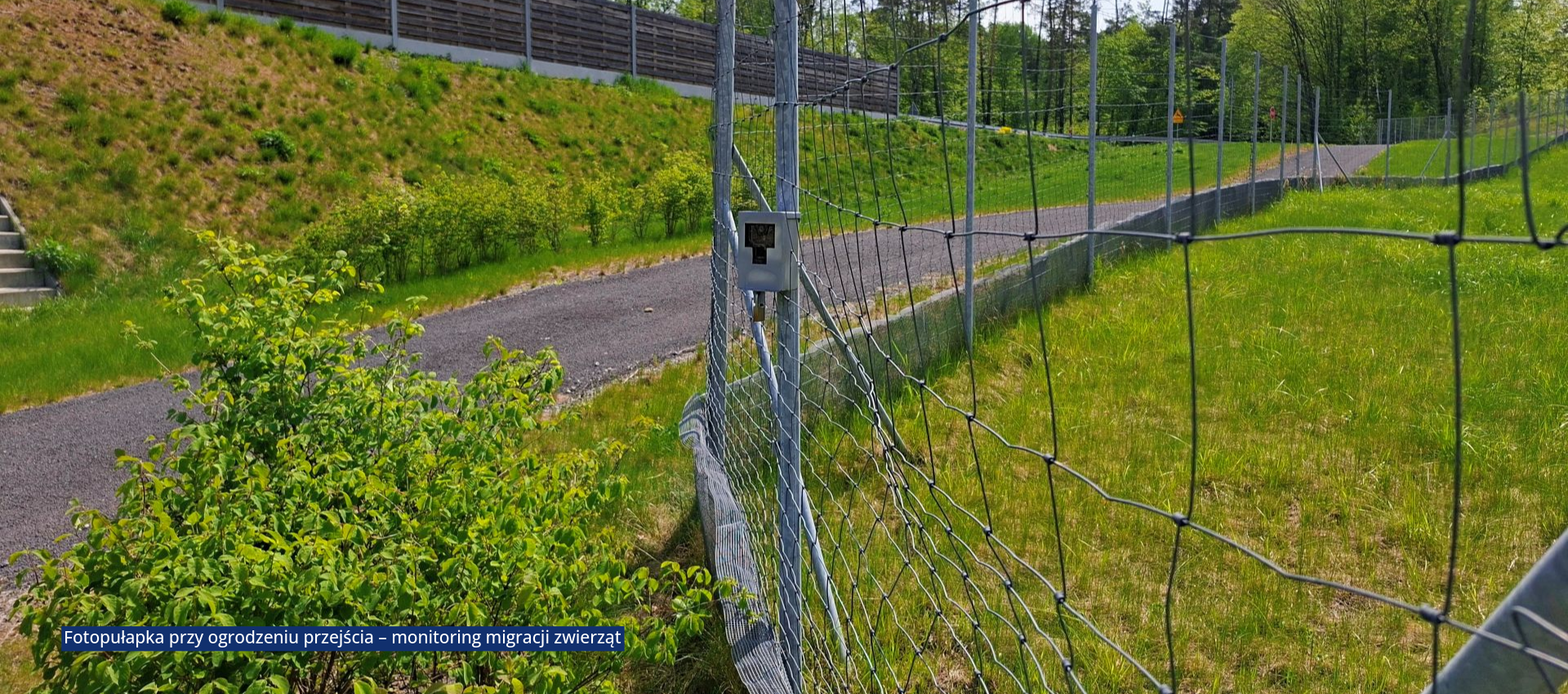
In the field, we also talked about the challenges of implementing and then operating the road. Some of the problems are recurrent. A good example is the theft and destruction of photo beacons, which are used to monitor animal migration.
There are also unusual situations that require additional measures and great caution. On one section of the route there is a Jewish burial site located directly on the road. For religious reasons, it could not be moved. The infrastructure at this location had to be built with respect for the site and with protection for the duration of the road’s use.
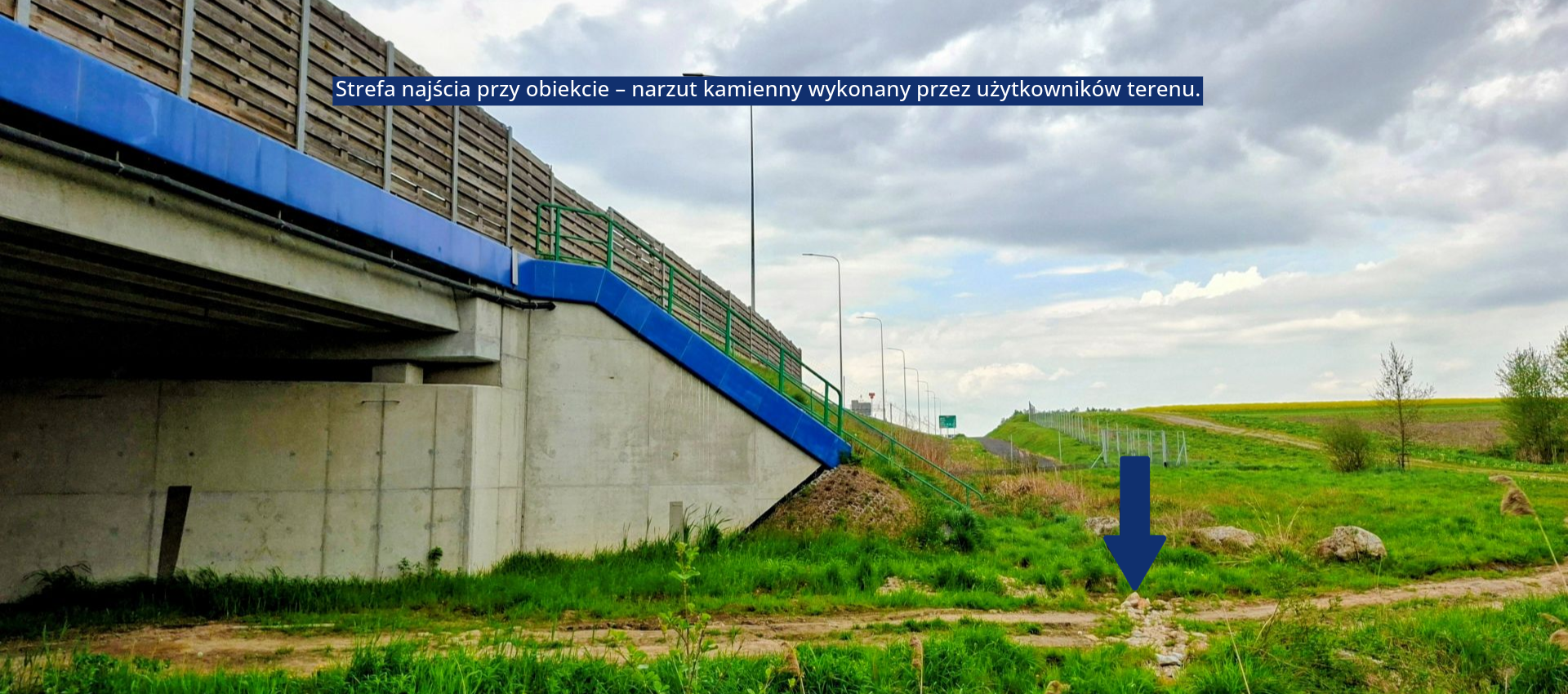
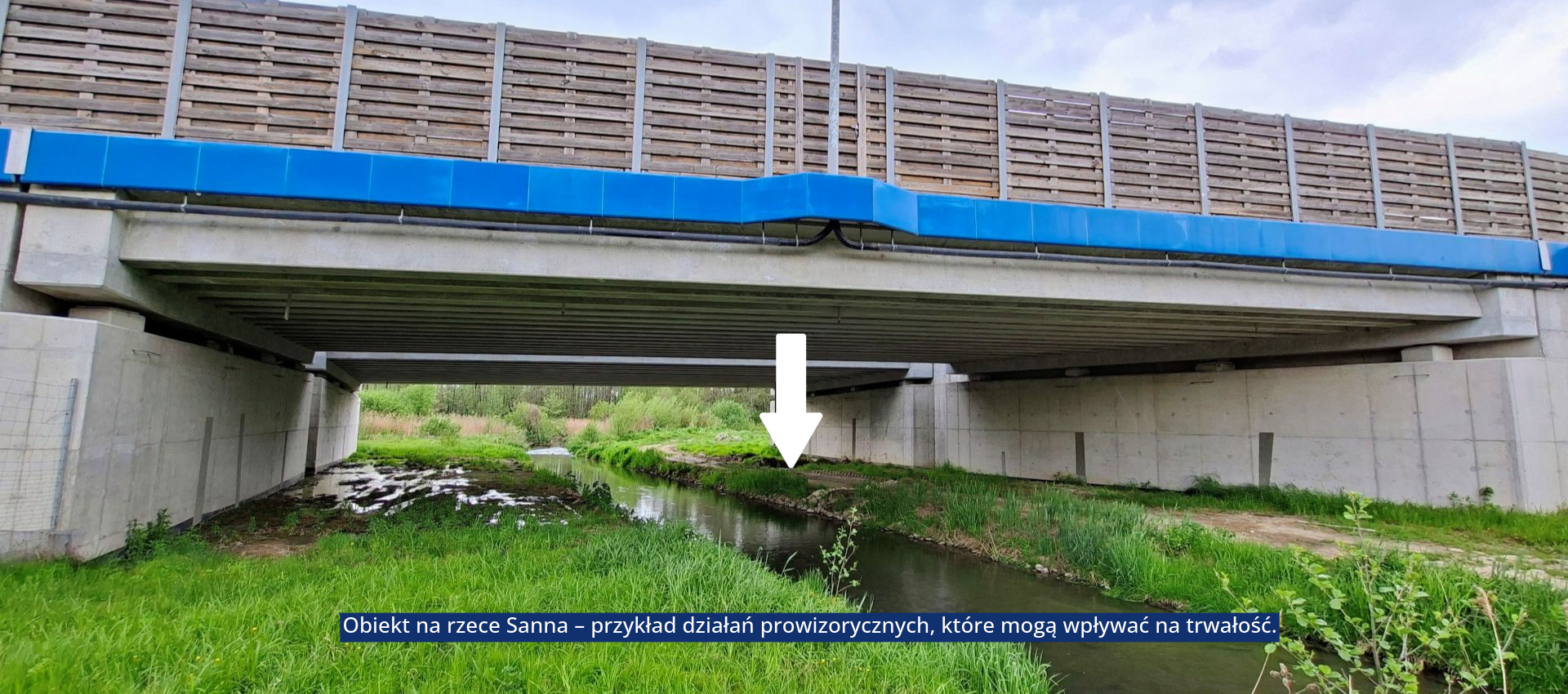
We also saw an example of a bridge structure over the Sanna River, which local farmers use for machine travel. Solutions made “on their own” appeared there, including makeshift drainage. Such measures can affect the object’s durability, especially with increasingly frequent heavy rainfall.
What does such a visit give
The field visit facilitates cooperation and helps to better assess the effects of environmental solutions. It also gives concrete conclusions for subsequent projects and analyses. It gives us a better understanding of how transport investments co-financed with EU funds work in practice.
- Maybe you would like to read: CEUTP experts on resilient transport infrastructure at the 4th Congress of Designers and Engineers
Road Transport
 28 June 2026 | EFICE
More Road Projects Funded by European Funds
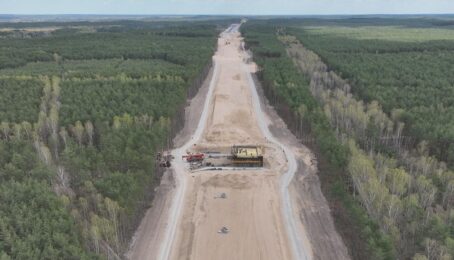
Two more projects by the General Directorate for National Roads and Motorways have received funding from the European Funds for Infrastructure, Climate, and Environment Program 2021–2027. These projects involve the construction of the Morawica and Wola Morawicka bypass along National Road DK73, as well as sections of the S19 expressway between Międzyrzec Podlaski and Lubartów Północ.
More
 18 May 2026 | EFICE
Bottleneck Relief and Safer Regional Route – PLN 750 Million for S10 Construction
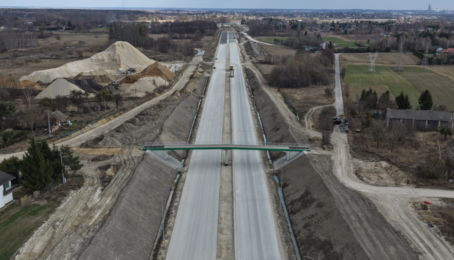
General Directorate of National Roads and Highways collected 750 million zlotys of funding from the European Funds for Infrastructure, Climate, Environment 2021-2027 (EFICE) program for the construction of more than 50 km of the S10 expressway between Bydgoszcz and Toruń.
More
 06 May 2026 | EFICE
Support from funds for the purchase of modern vehicles for the Road Transport Inspectorate
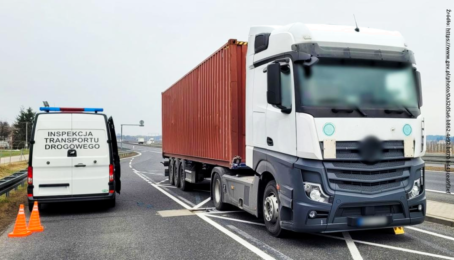
We are strengthening safety on Polish roads. We have transferred more than PLN 27 million from the European Funds for Infrastructure, Climate, Environment 2021-2027 (EFICE) program for the project entitled “Strengthening the Potential of the Road Transport Inspection II”.
More
 28 April 2026 | EFICE
Construction of Chelm bypass with support from European Funds
Convenient connection to Ukraine and moving transit traffic out of Chelm – these are among the most important benefits of the construction of the S12 expressway section. The investment has just been awarded nearly PLN 225 million from the European Funds for Infrastructure, Climate, Environment 2021-2027 (EFICE).
More
Contact us
Plac Europejski 2, 00-844 Warsaw
Monday – Friday,
hours: 8:15 am – 4:15 pm


