




Conflict in Projects: Participation as a Tool for Solutions
Day 1: European Experiences in Citizen Engagement
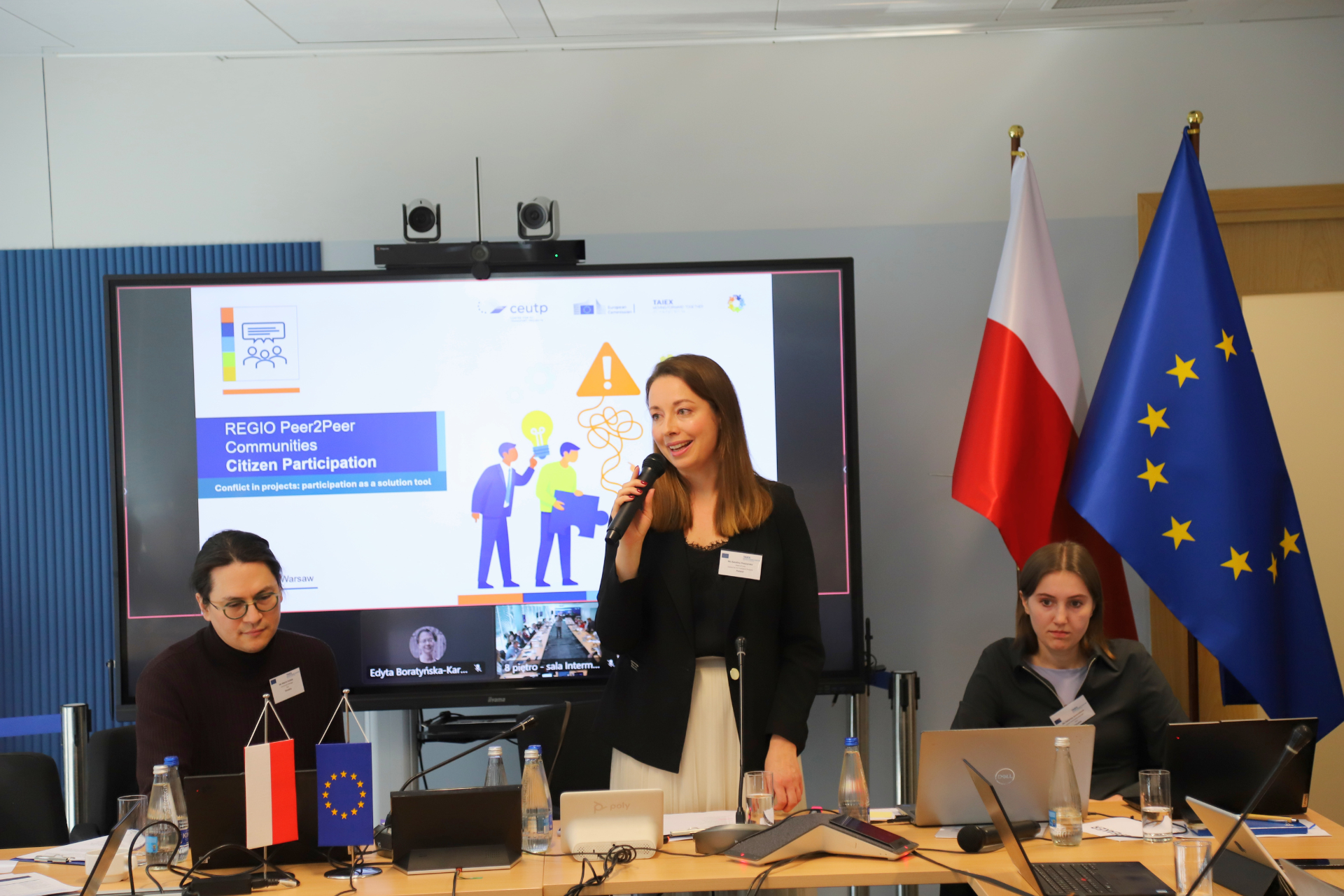
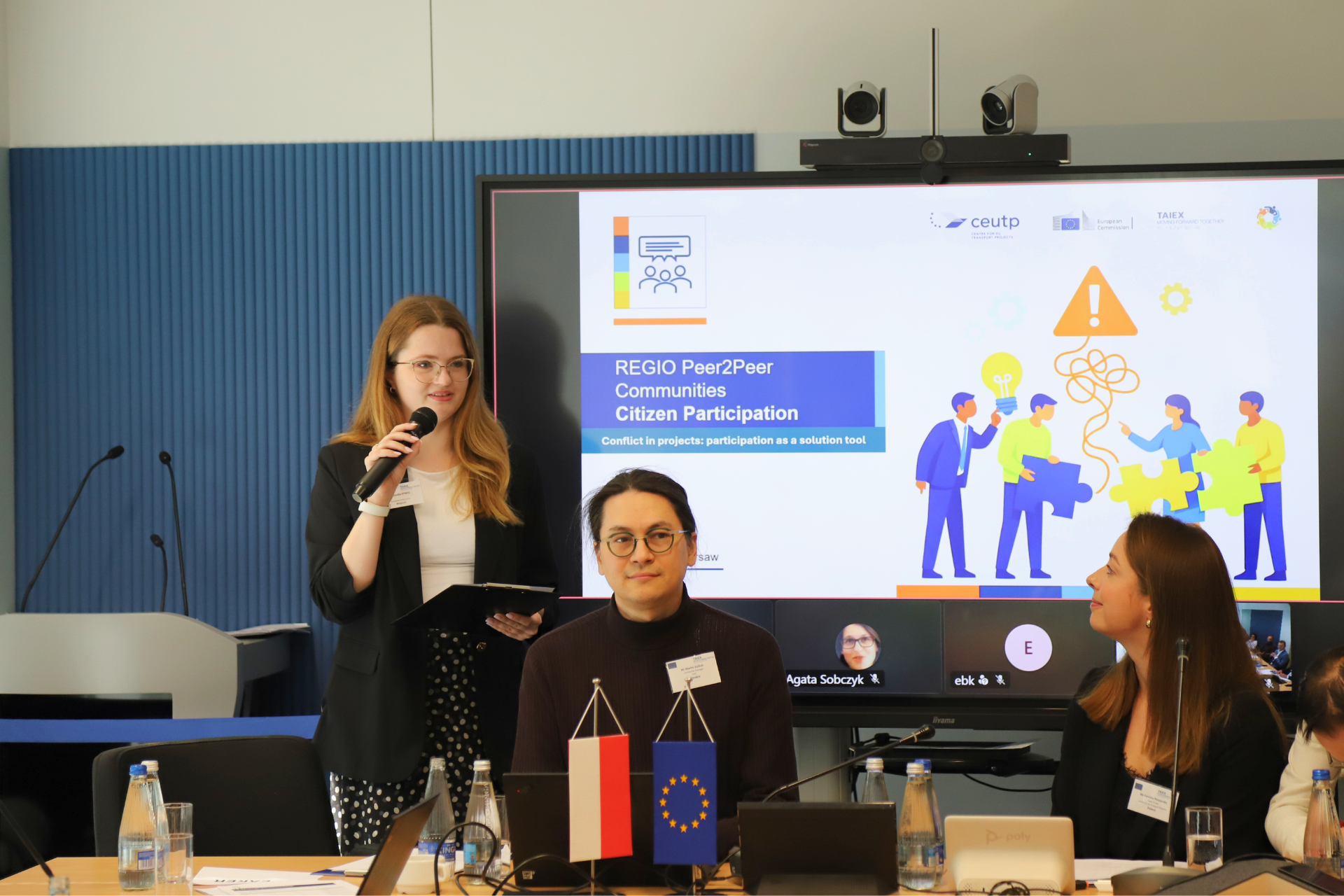
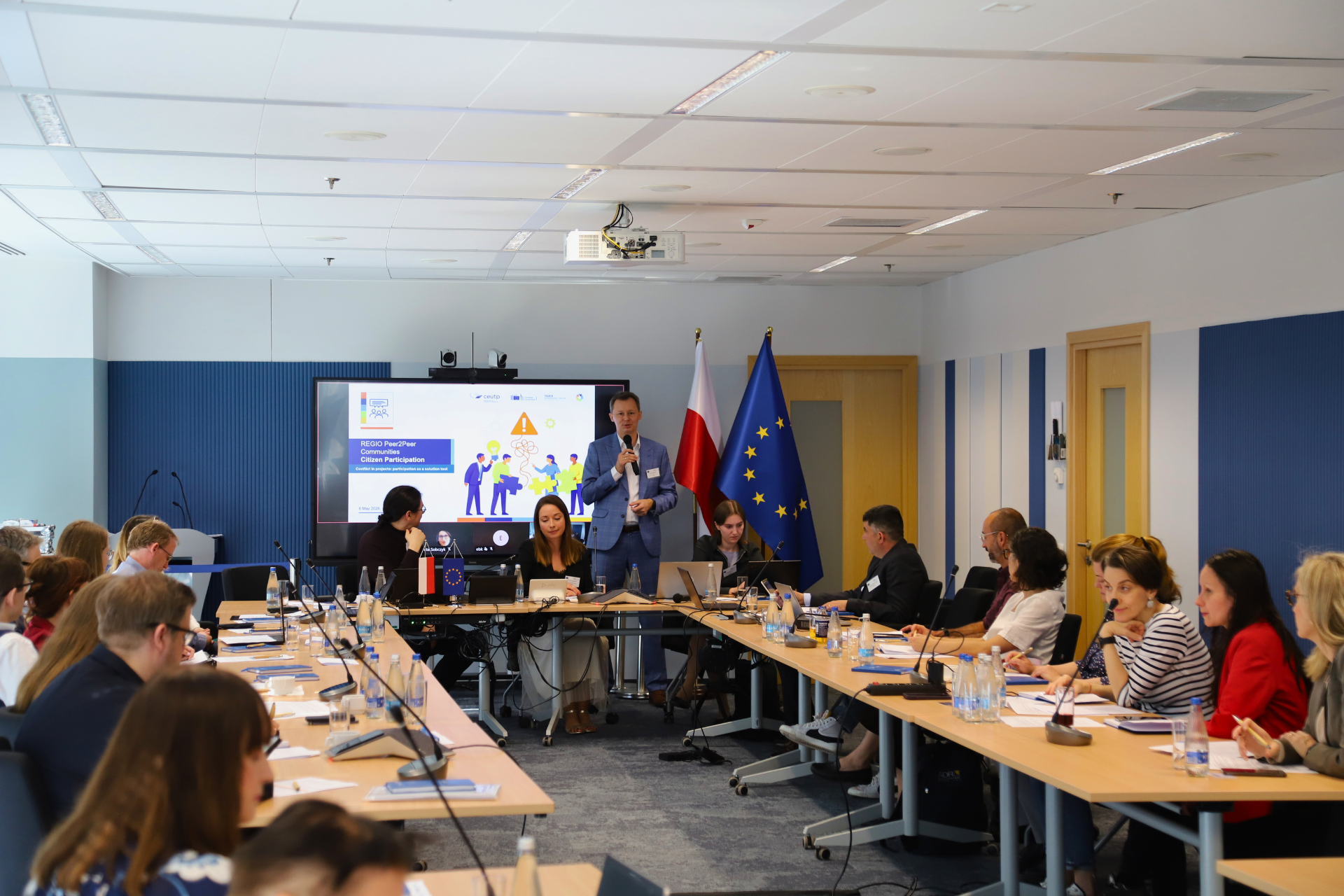
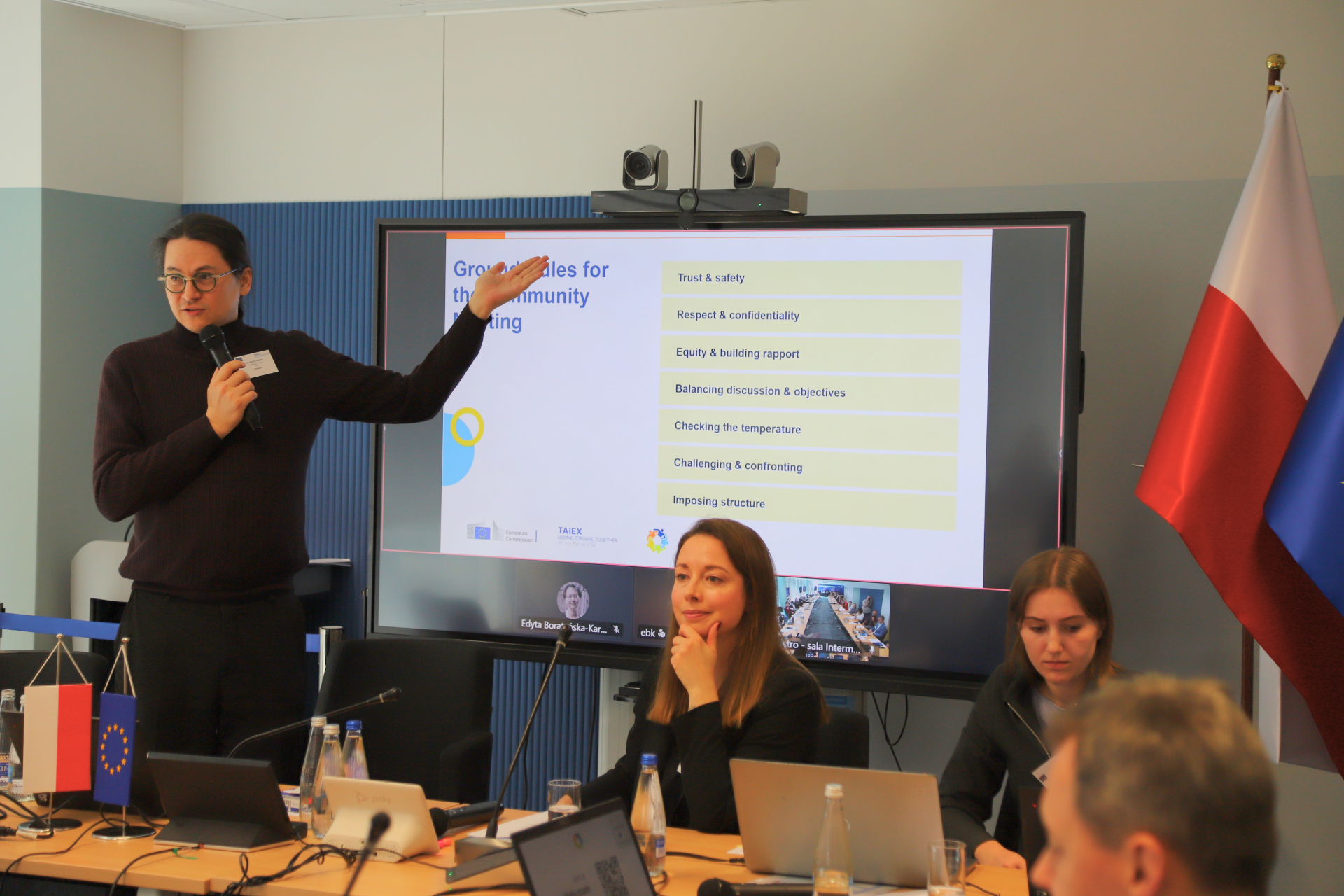
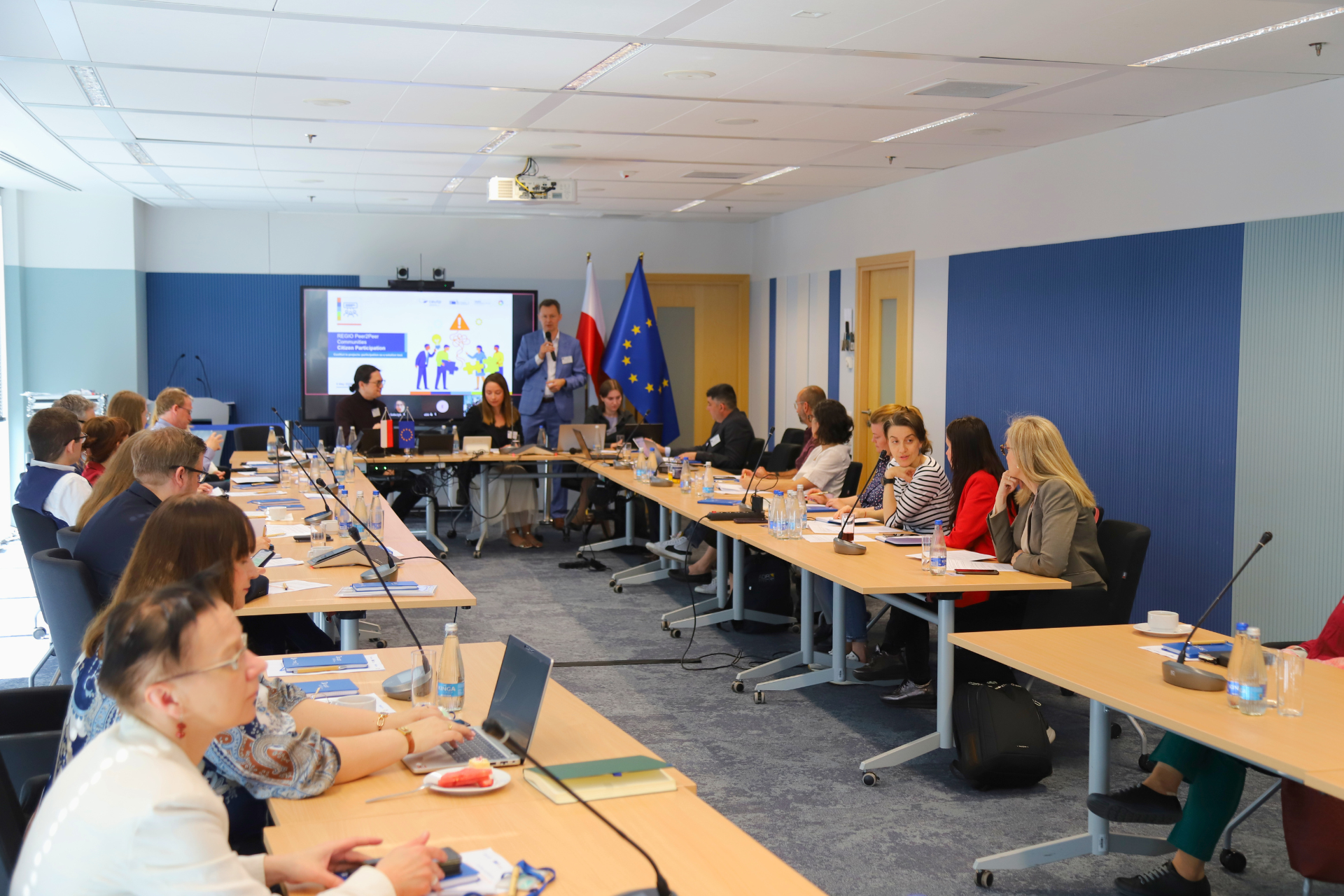
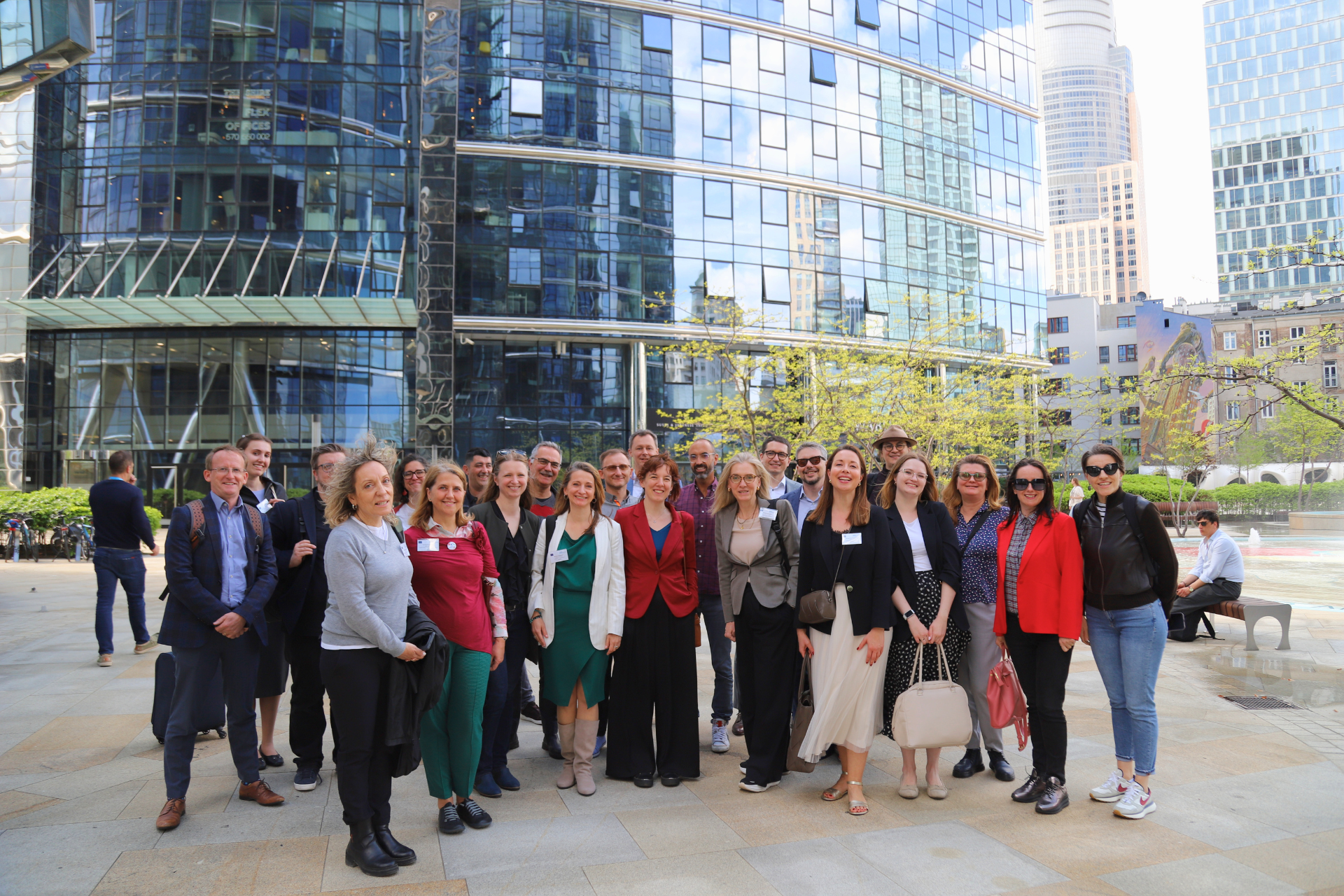
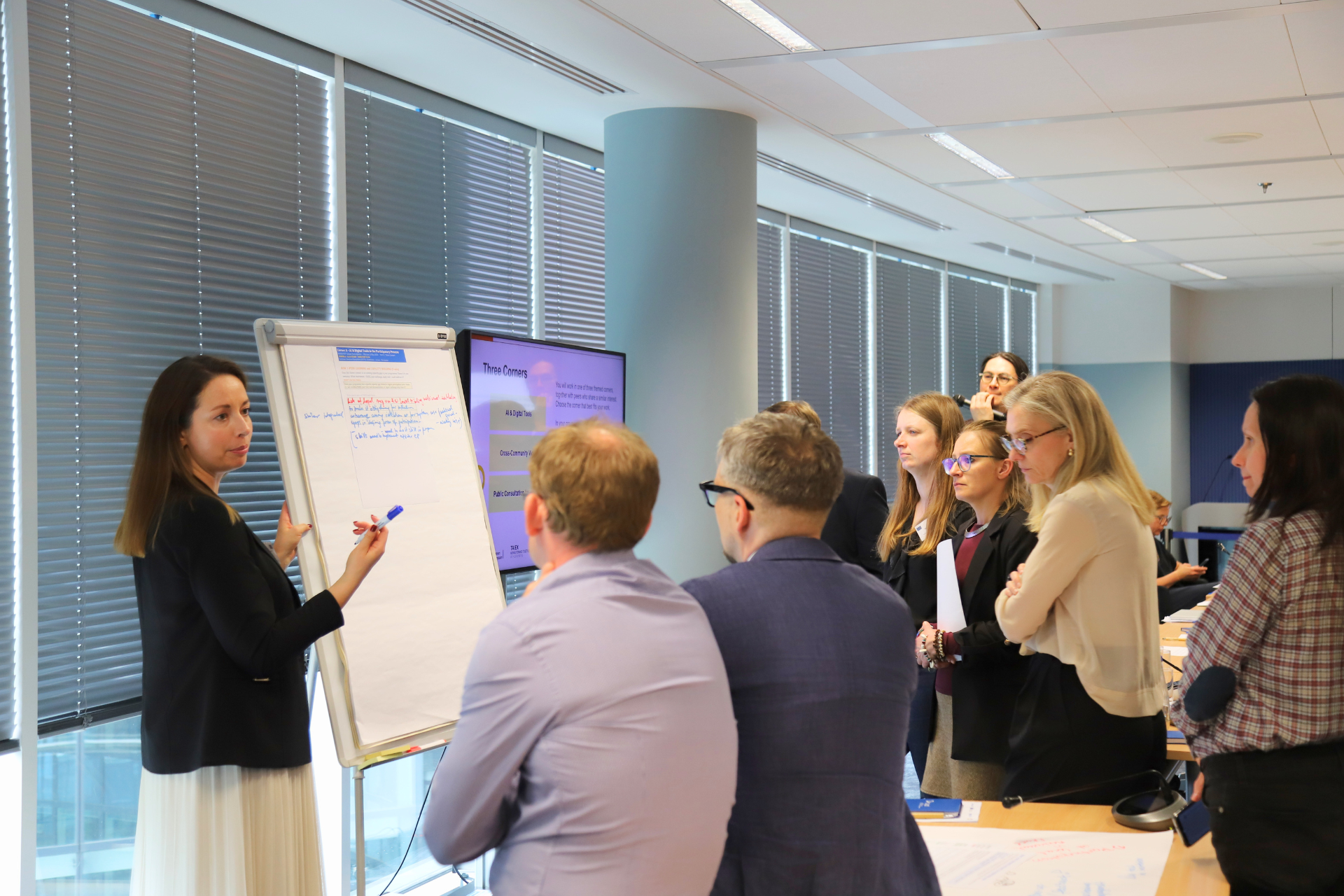
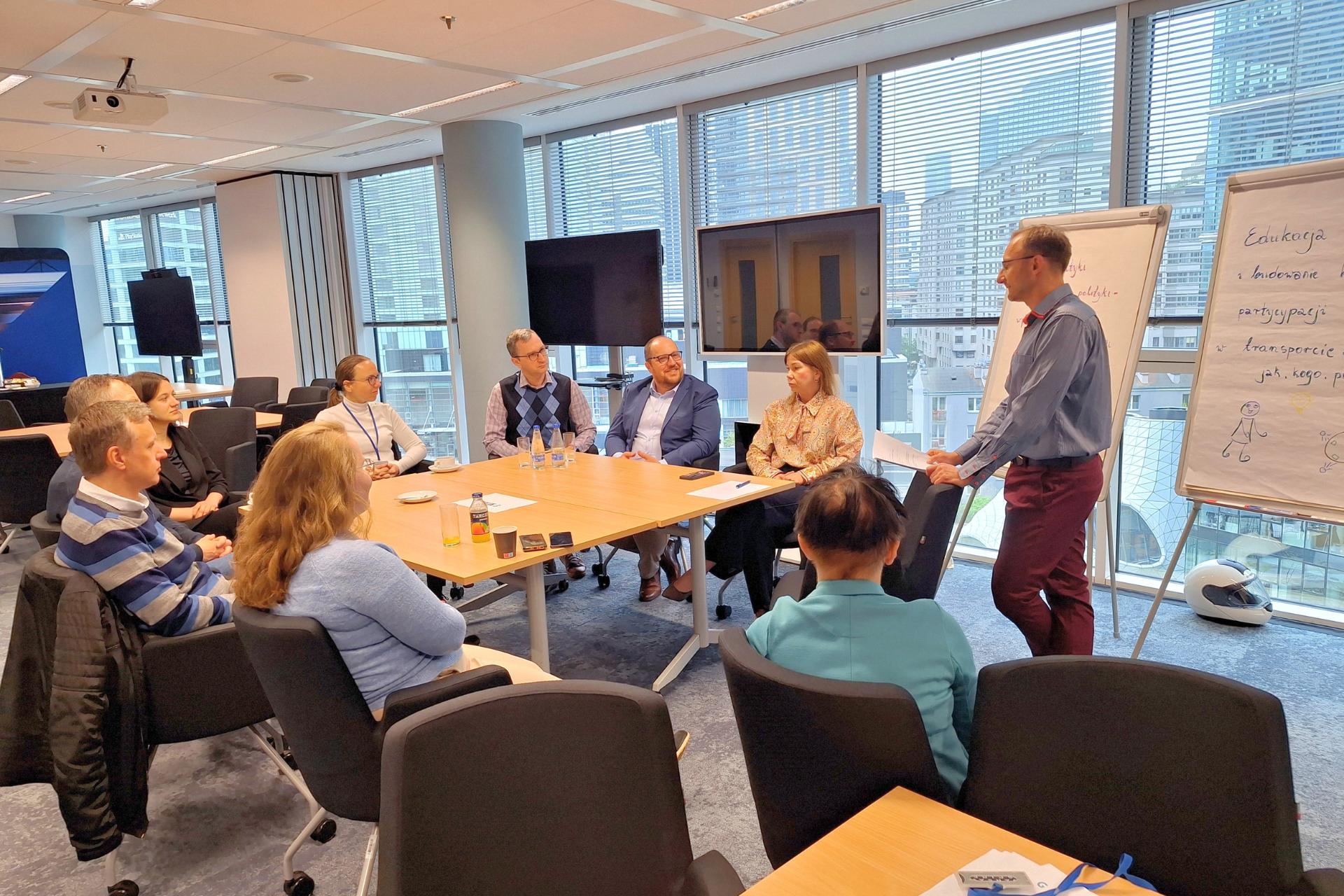
The first day was a closed session directed at the REGIO Peer2Peer community on public participation. The programme included expert workshops and a study visit to CUPT’s headquarters — a place where public participation has genuinely shaped the public space.
João Dinis from the municipality of Cascais (Portugal) demonstrated how long-term communication can engage residents even around challenging topics such as climate policy. Luigi Reggi from Monithon Europe highlighted citizen monitoring as a way of transforming conflicts into constructive dialogue. Brian Barrett from Galway City Council (Ireland) spoke about designing participatory processes that are accessible to groups who rarely take part in consultations.
Day 2: The Psychology of Conflict and Prevention
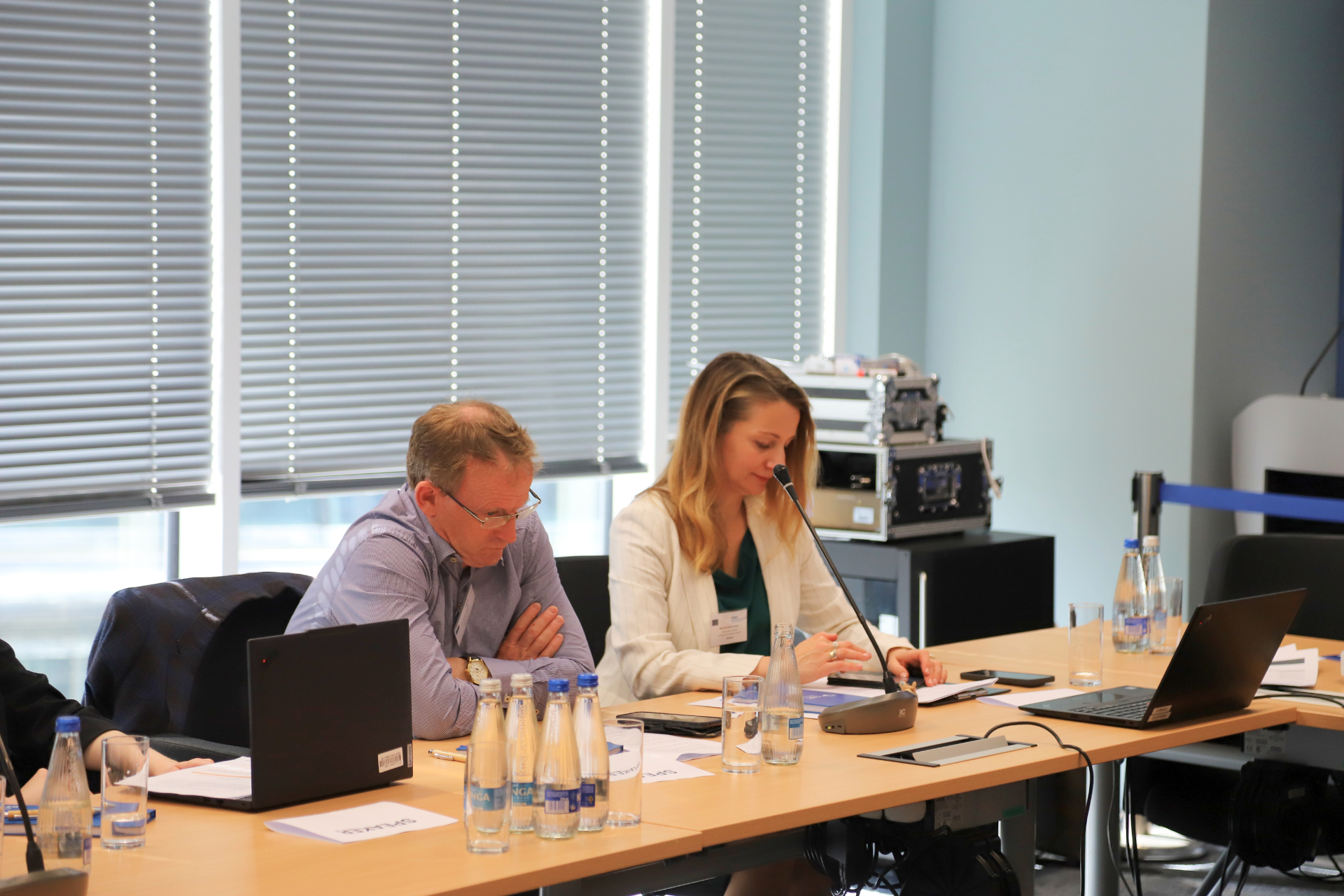
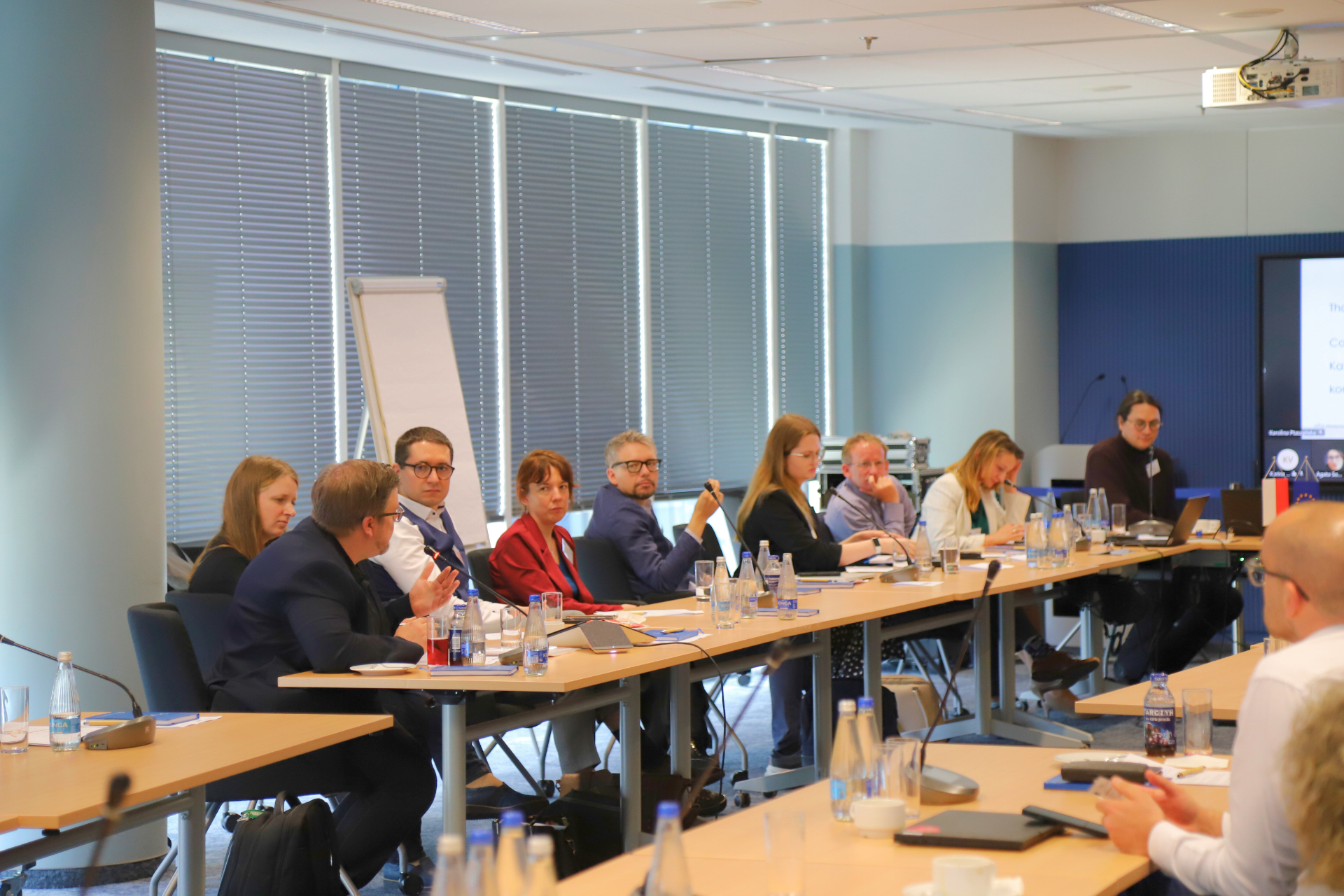
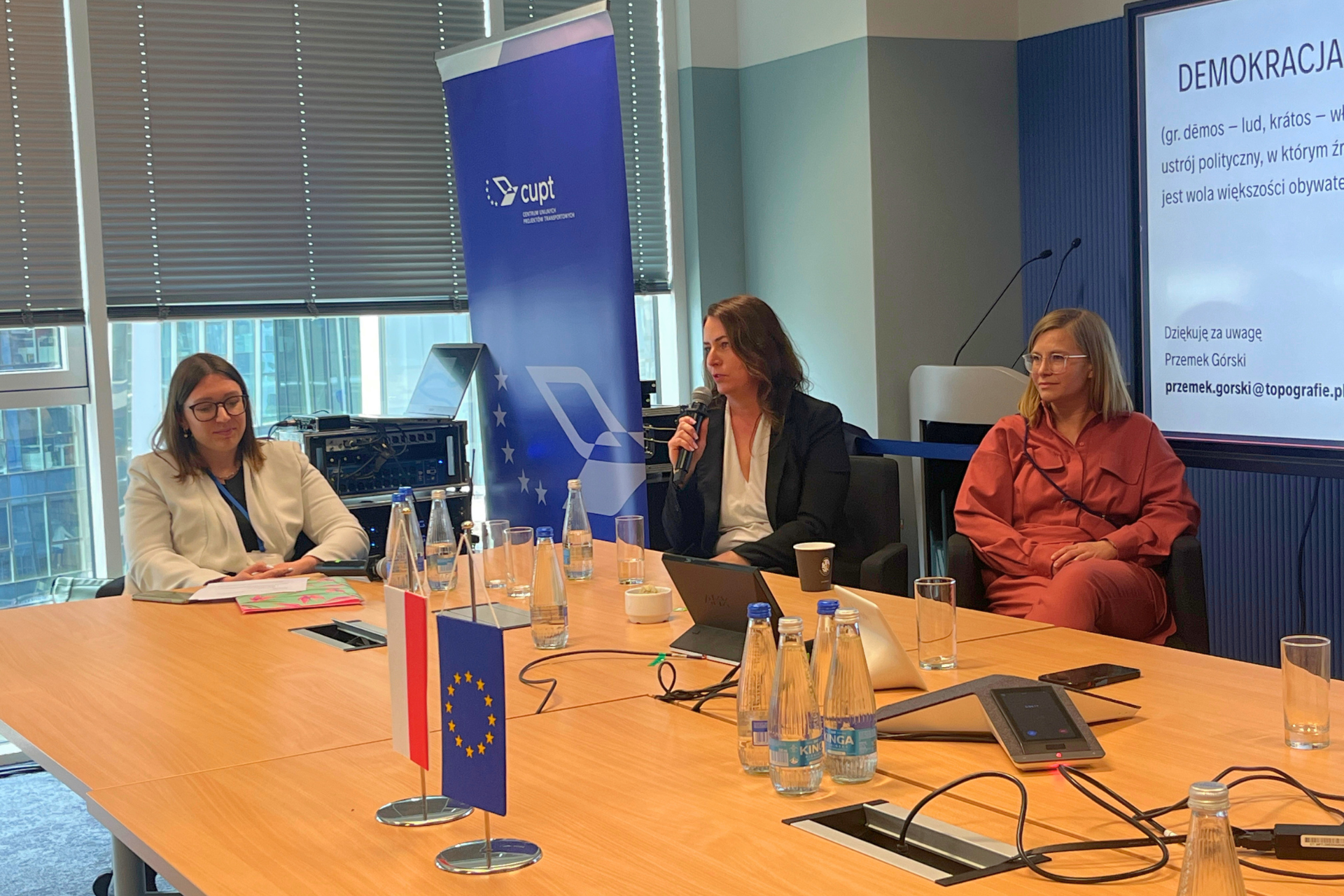
The second day took the form of an open conference, bringing together experts from public administration, local government, civic organisations, and representatives of the European Commission.
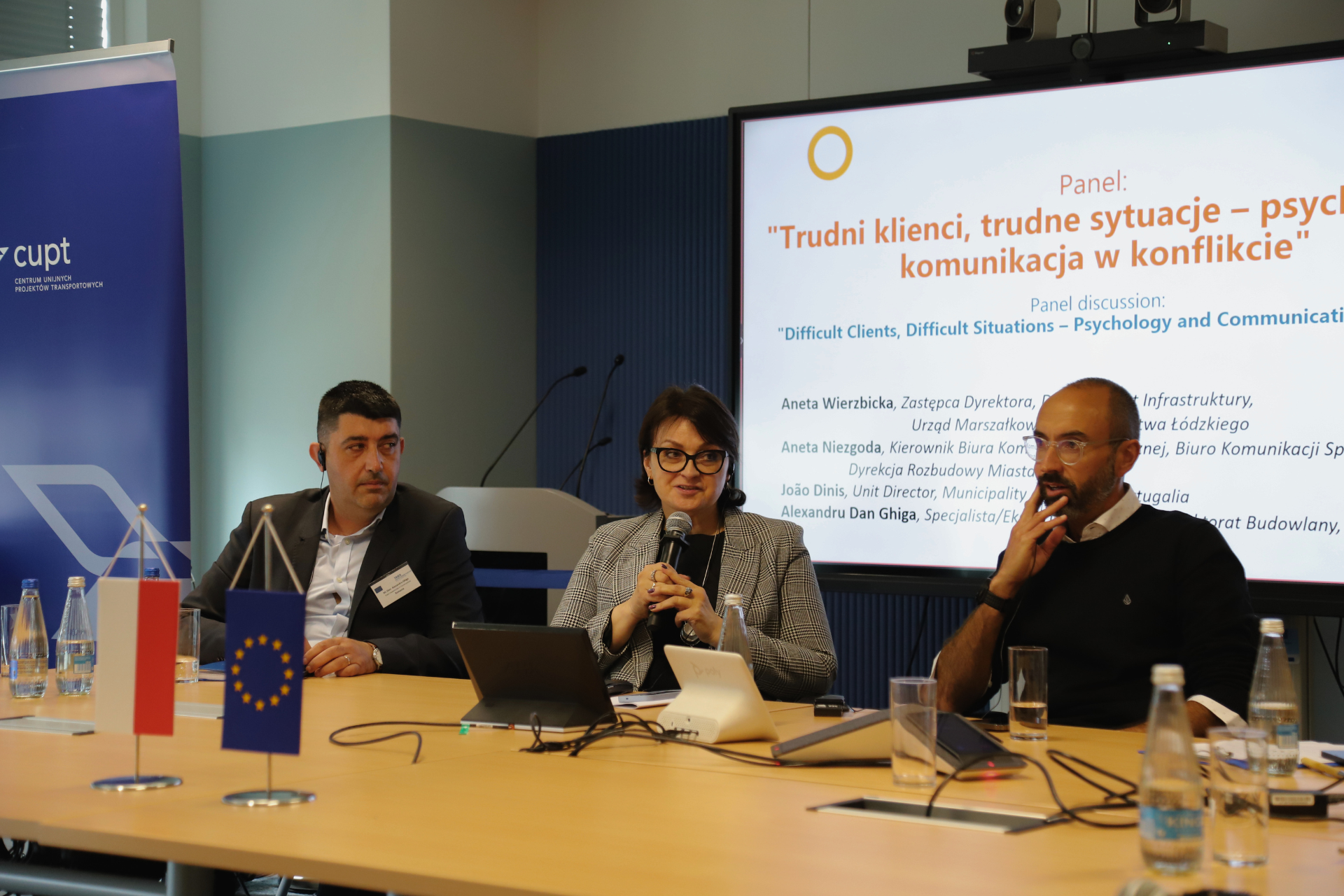
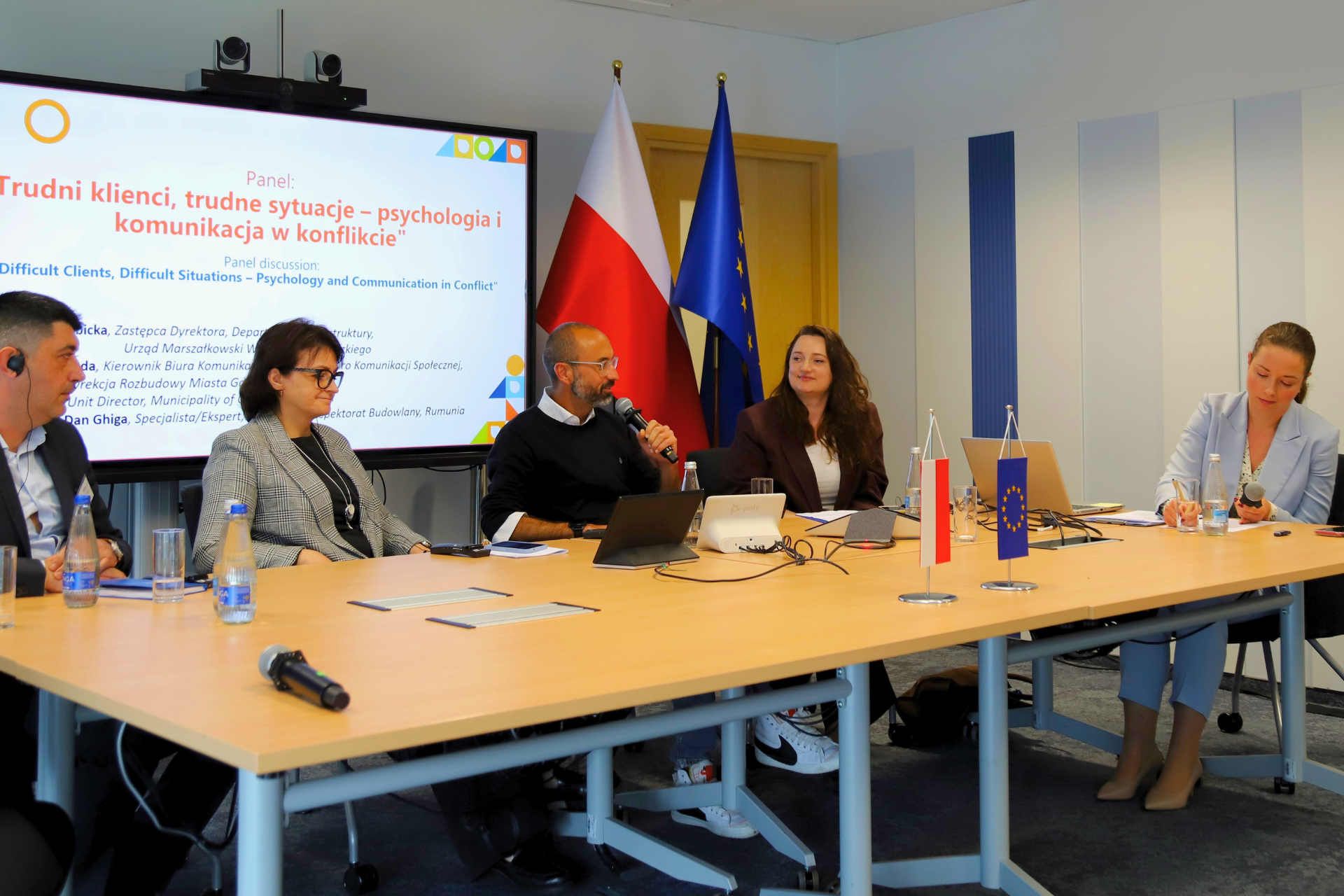
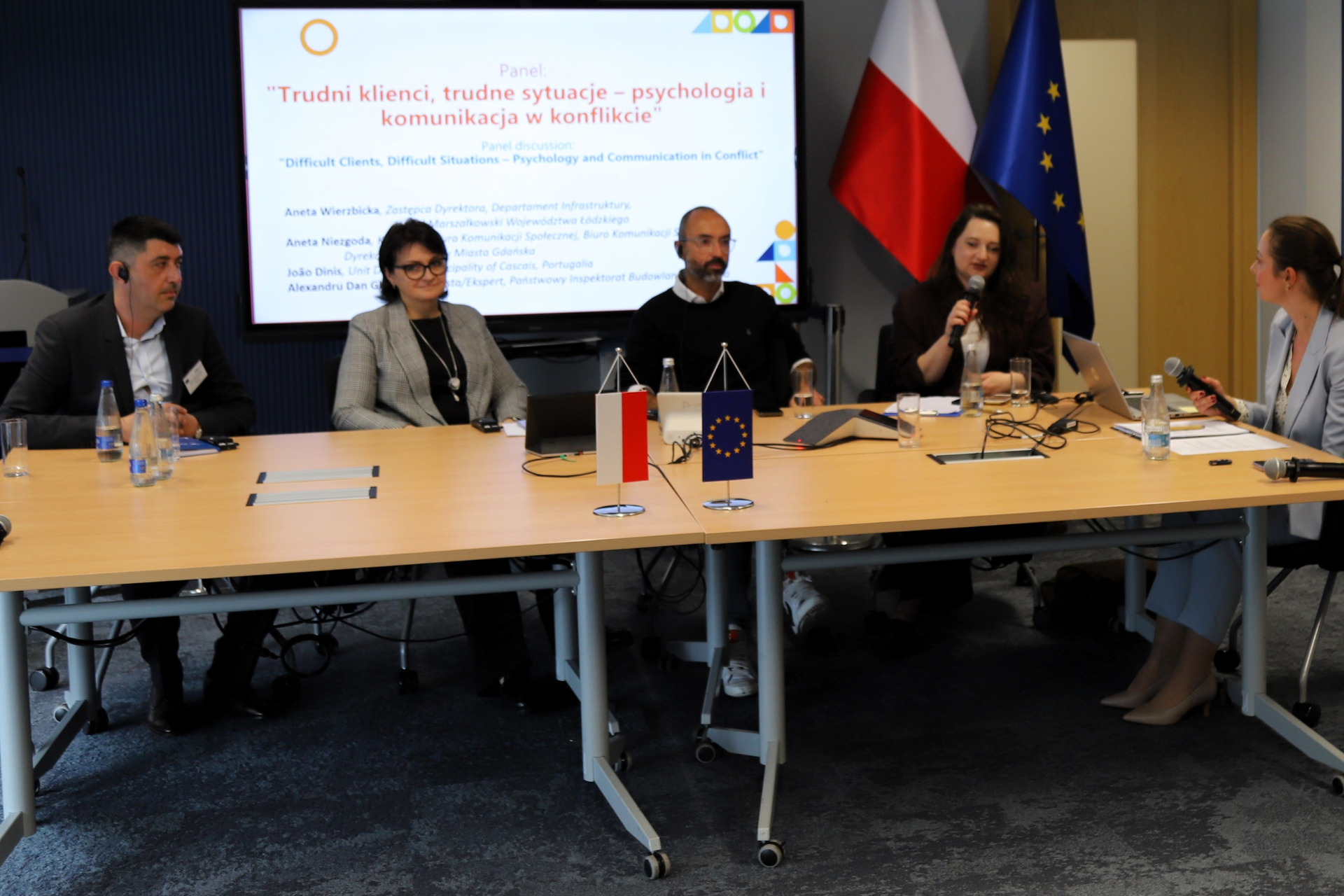
A panel devoted to the psychology of conflict addressed the practical aspects of managing social tensions — emotions, manipulation, trust-building, and communication in crisis situations. Panellists from Gdańsk, Łódź, and abroad were united in their view: plain language and empathy achieve more than formal consultation procedures.
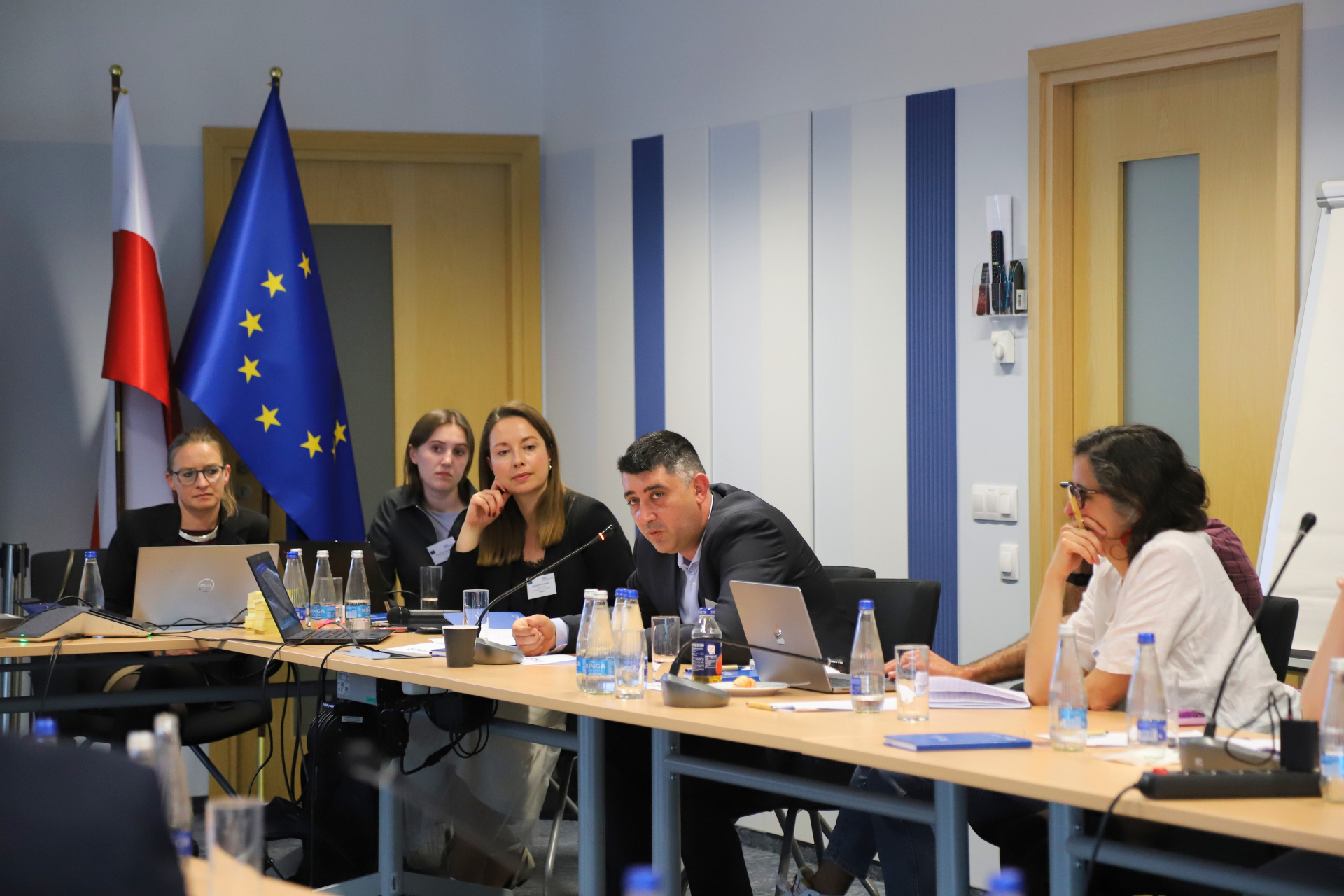
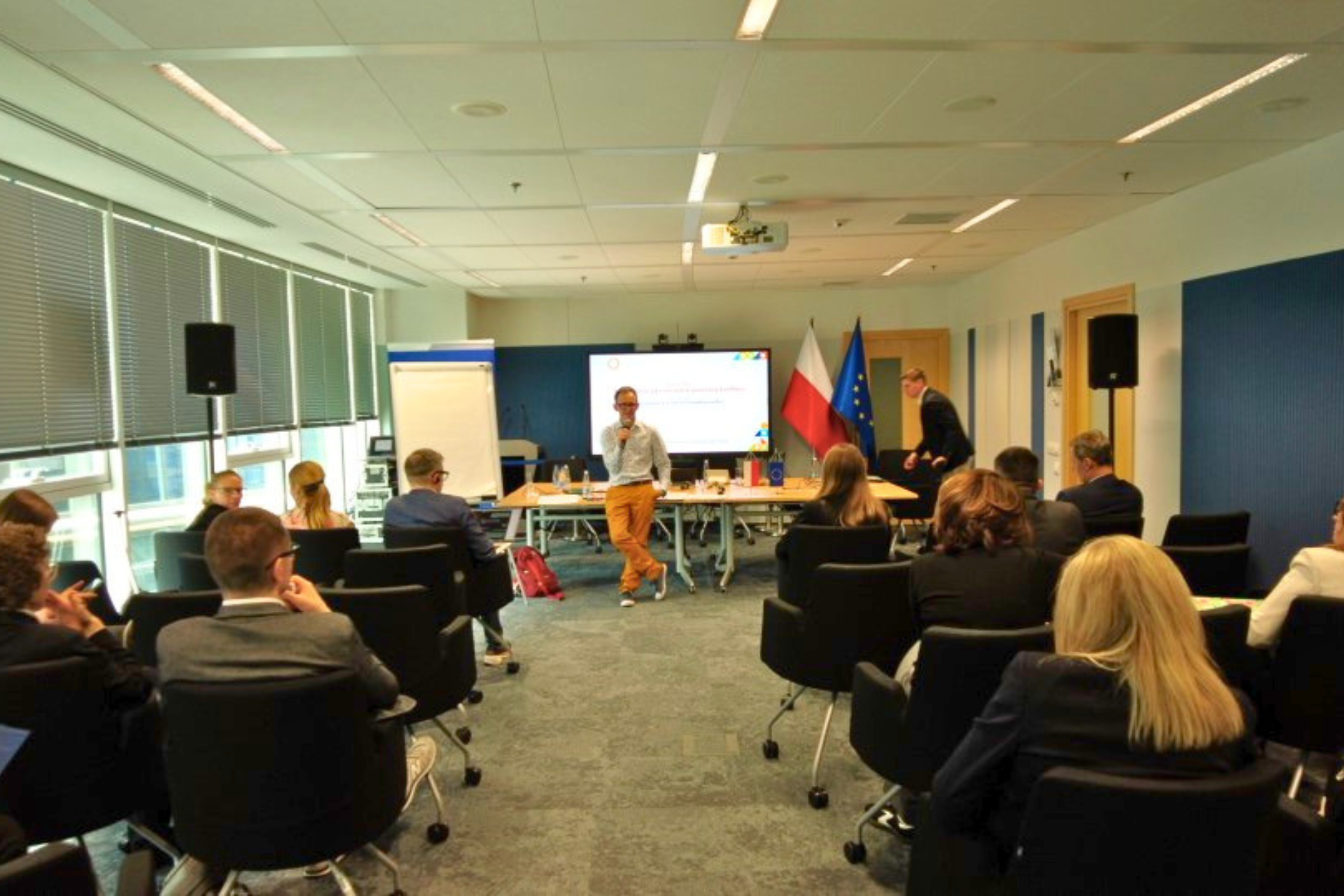
The workshop “Participation as a Tool for Conflict Prevention” confirmed that many disputes around investment projects do not stem from opposition to change — but from a sense of exclusion from the decision-making process. Transparency and honest dialogue significantly increase public acceptance, even for difficult infrastructure decisions.
The day concluded with the plenary panel “Conflict in Public Space — Sources, Dynamics, Possibilities.” Experts emphasised that well-managed conflict reveals genuine social needs and leads to more durable solutions.
Day 3: Transferring Knowledge to Transport Practice
The third day focused on applying knowledge to specific transport projects and building a lasting network of cooperation.
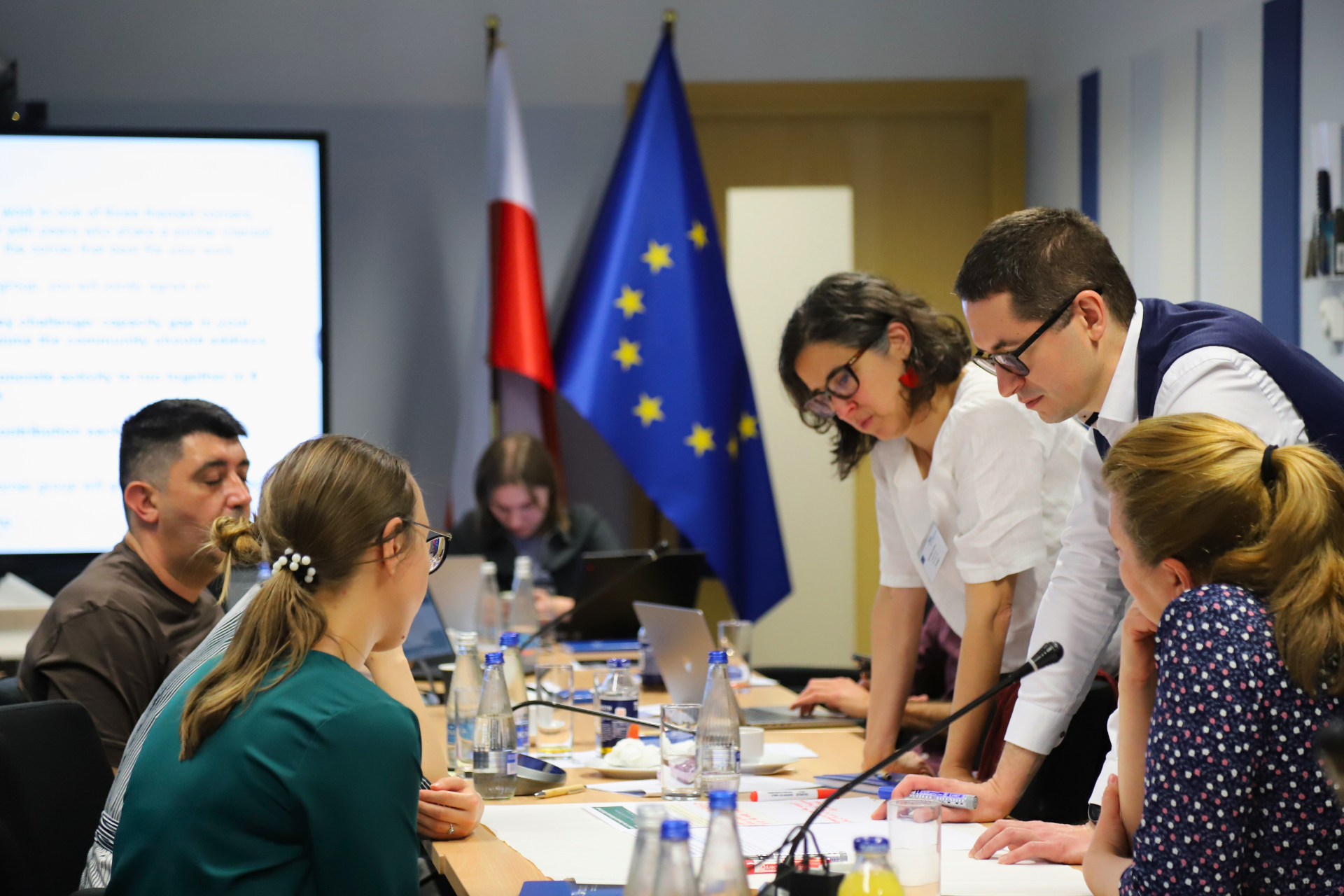
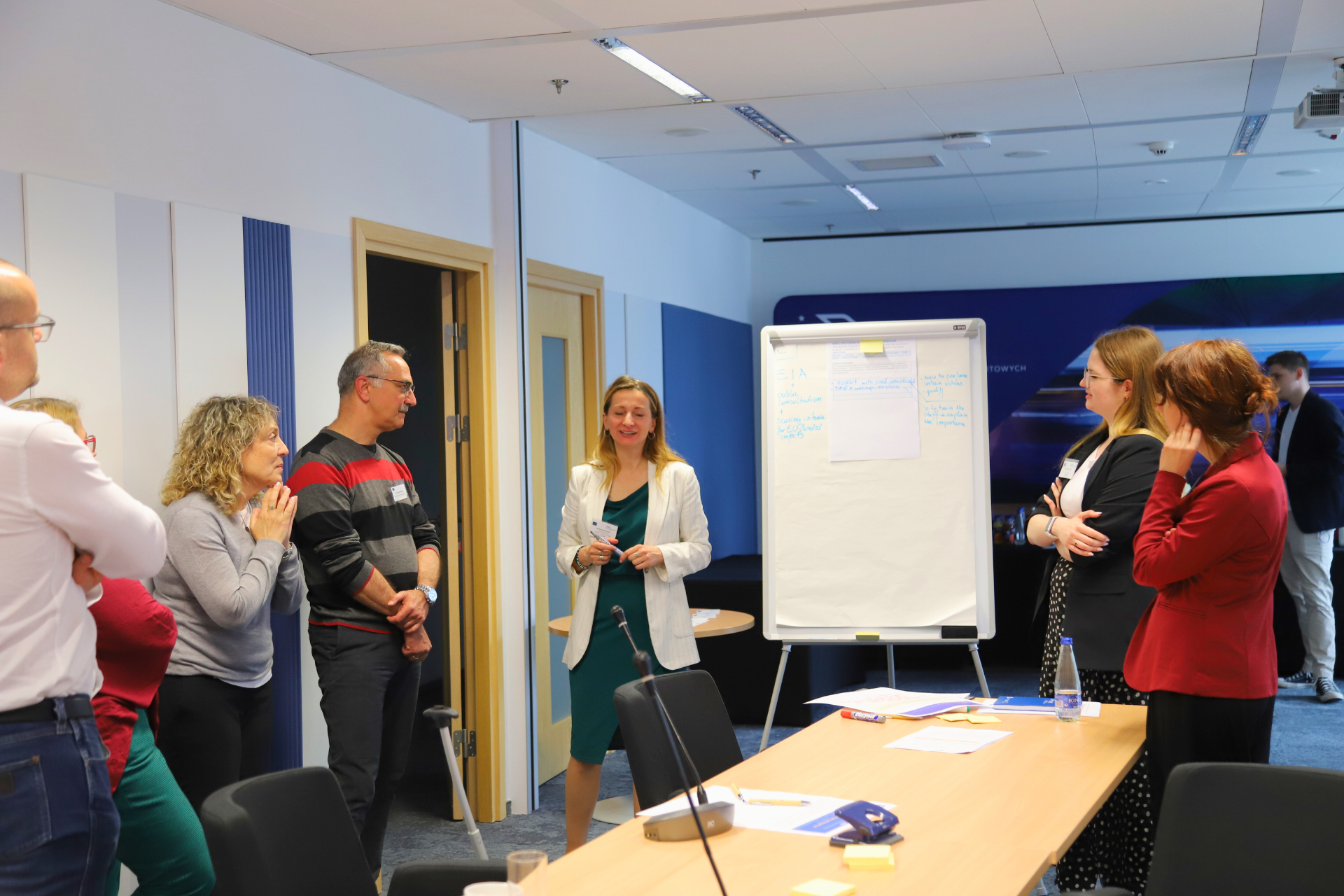
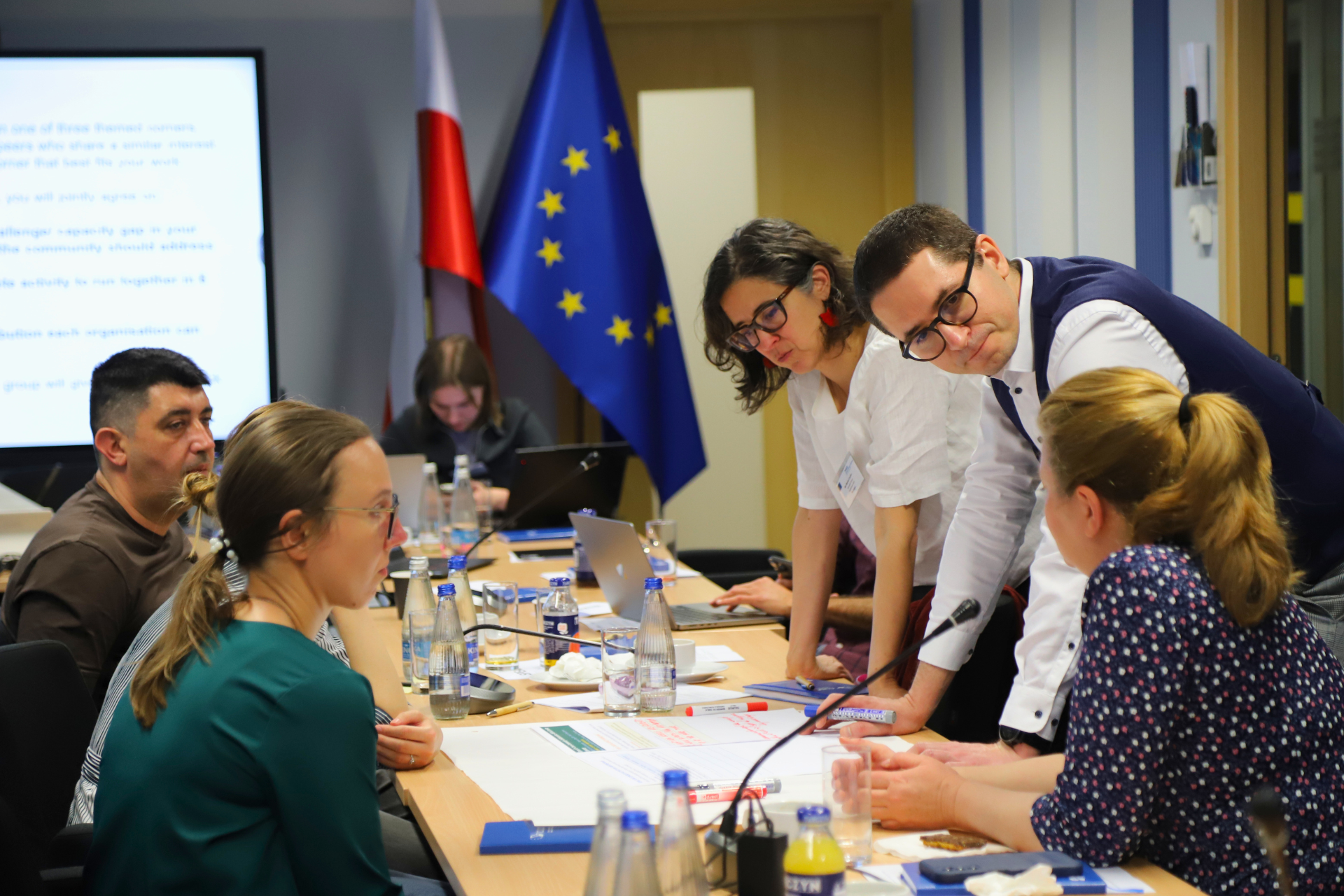
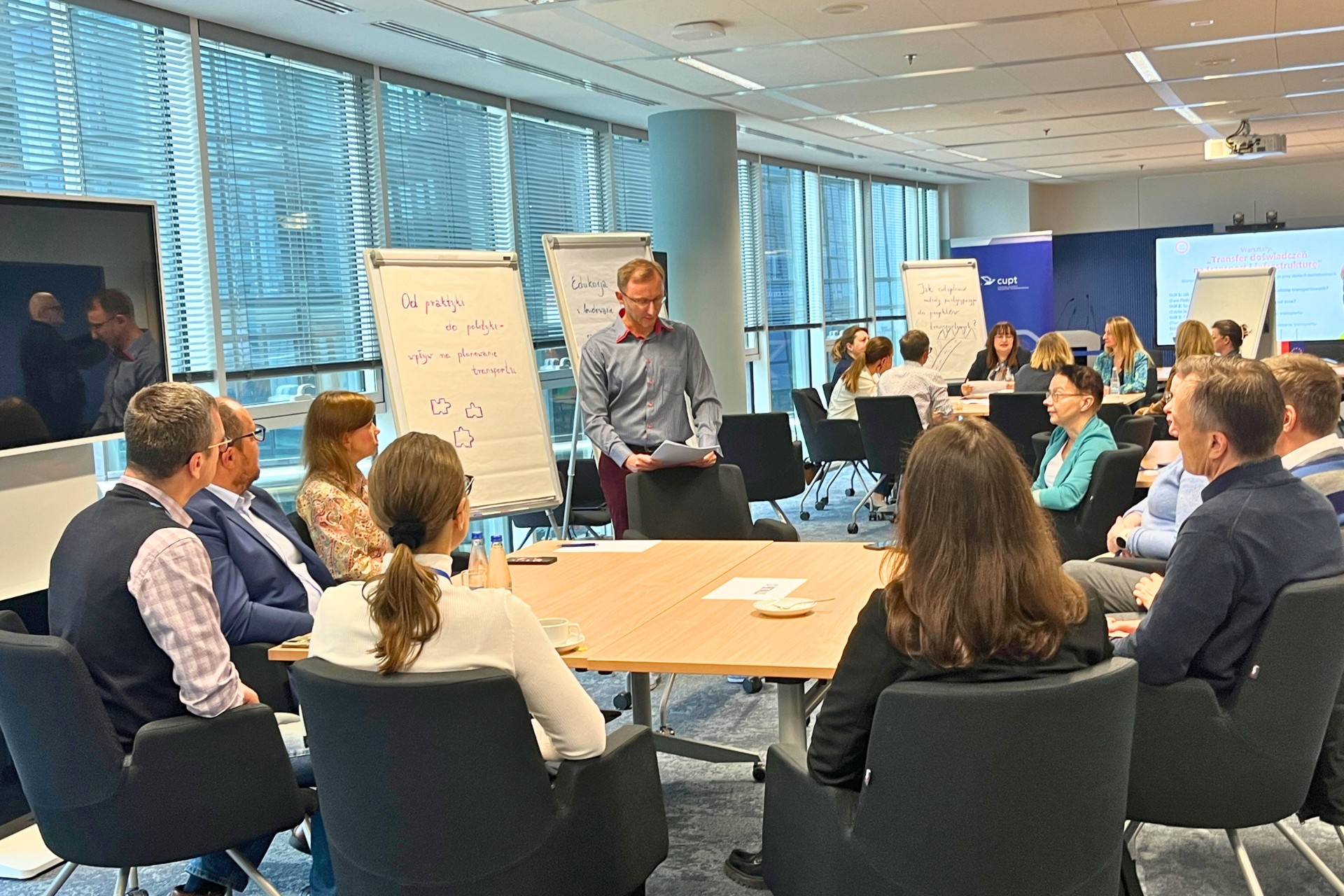
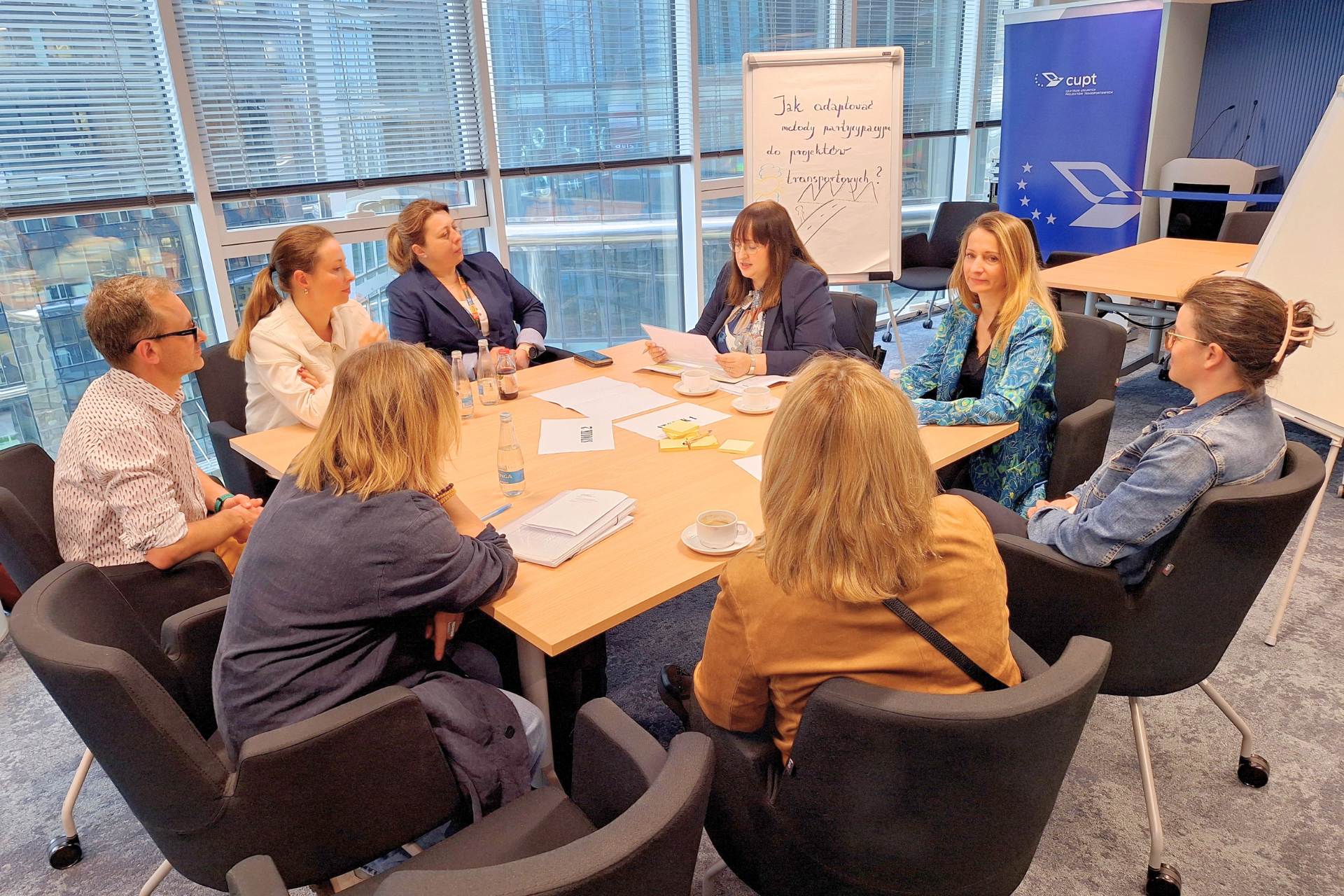
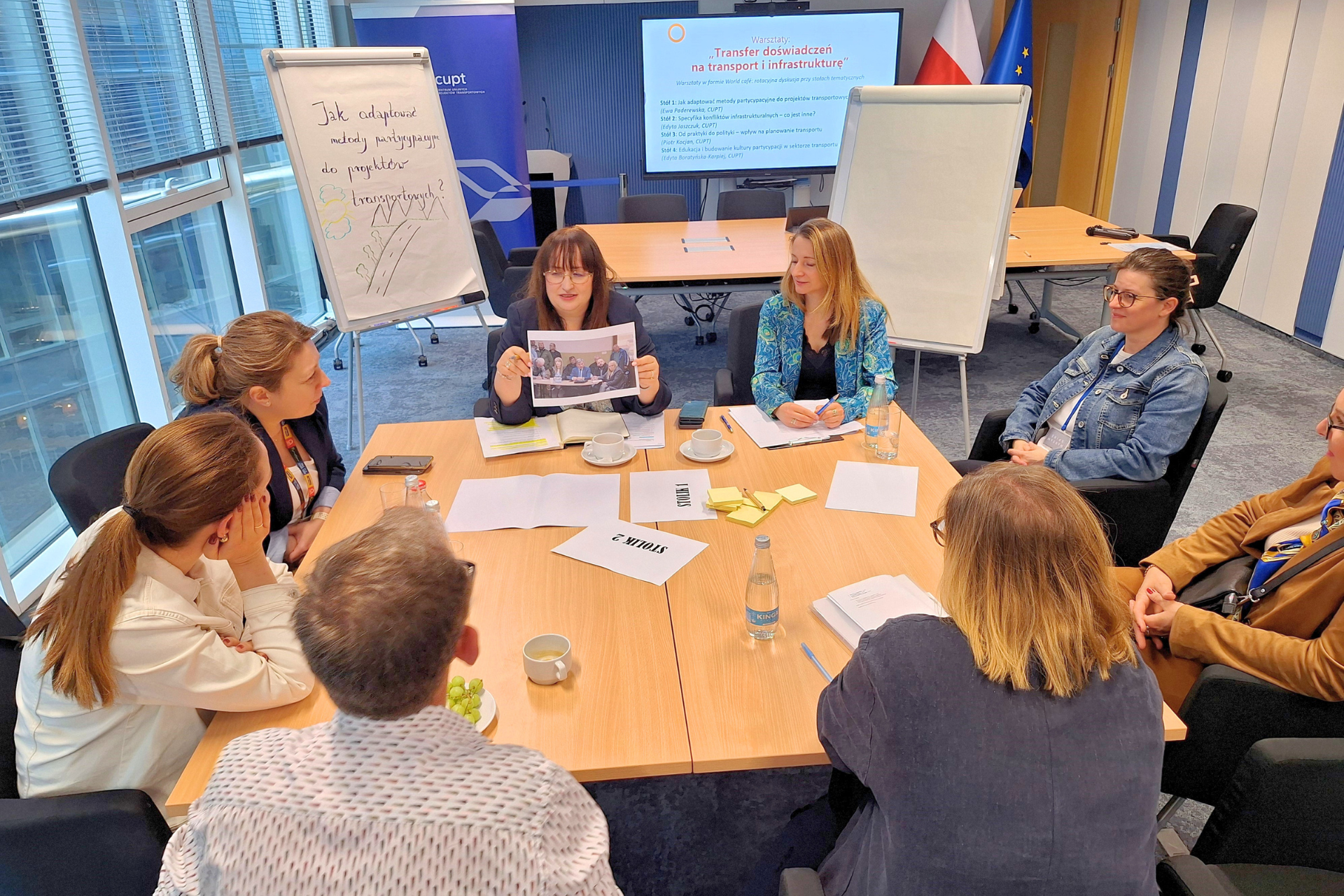
The workshop “Transferring Experience to Transport and Infrastructure” was conducted using the World Café method — rotating discussions at thematic tables. Conversations covered topics including adapting participatory methods to road and rail projects, the specific nature of infrastructure conflicts, and civic education in the transport sector.
Participants noted that residents accept even difficult infrastructure decisions — provided they feel a genuine sense of influence and understand the long-term benefits of the investment.
The day ended with the networking session “Better Together — Network Development Plan,” during which participants mapped their competencies and planned further joint initiatives within the CUPT participation community.
Participation Is Not a Cost – It’s an Investment
The three-day event confirmed one thing above all: public participation is not an add-on to infrastructure projects. It is a condition of their success. Conflict — properly identified and managed — can be a source of better public decisions and more lasting trust between residents and institutions.
The event was prepared and delivered by the public participation team, with overall responsibility held by Krzysztof Rodziewicz. The event was facilitated by Karolina Ptaszyńska, Ewa Paderewska, Maciej Wójcik, Olga Zuchora, Edyta Boratyńska-Karpiej, Piotr Kocjan, and Edyta Jaszczuk, with support from Agata Sobczyk and Jolanta Belka.
CUPT will continue its efforts to build a culture of participation in Poland’s transport and infrastructure sector.






Event reports
 30 June 2026 | Rail Transportation
Liberalization on the Rails: CEUTP Discusses International Experiences, the Role of the Organizer, and Preparations for Market Liberalization
How can we prepare the rail passenger transport market for greater competition? What lessons can we learn from other European countries? And how can we ensure that the process of change is, above all, beneficial to passengers? These issues were discussed by participants at the 7th workshop of the Transport Research Observatory, titled “Liberalization on the Rails: What Works Abroad?”
More
 25 June 2026 | EFICE
CEUTP Training for Employees of Provincial Monument Preservation Offices
On June 16–17, 2026, CEUTP experts conducted a training session in Wrocław for employees of the Provincial Offices for the Protection of Historical Monuments, focusing on the principles for implementing a technical assistance project under the European Funds for Infrastructure, Climate, and Environment 2021–2027.
More
 25 June 2026 | EFICE
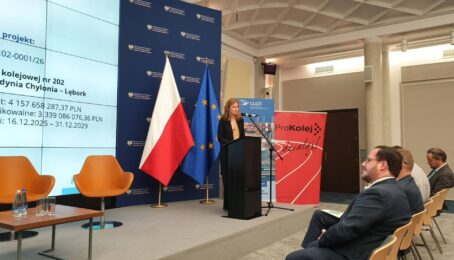
Expert Workshop on Dual-Use Projects and Transportation Resilience, Featuring CEUTP
On June 19, 2026, an expert workshop titled “Dual-Use Projects and Building the Resilience of the Railway System with the Support of European Funds” was held in Warsaw. Among those participating in the event was Sylwia Cieślak-Wilk, deputy director of CEUTP, who presented an institutional perspective on the role of dual-use infrastructure in the EU’s current and future financial frameworks.
More
 25 June 2026 | EFICE
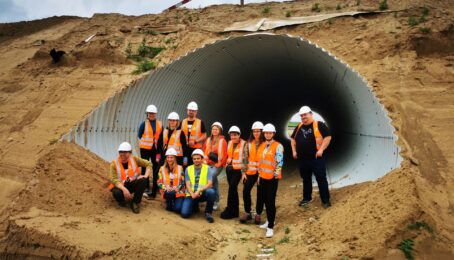
Via Carpatia Under Construction – CEUTP Experts Visit the Construction Site of the S19 Section North of Lublin
Experts from the CEUTP Department of Environmental Protection visited the construction site of a section of the S19 expressway north of Lublin, which is part of the international Via Carpatia route. The site visit provided an opportunity to assess the progress of the work and the challenges associated with the implementation of one of the most important road projects in eastern Poland.
More
Contact us
Plac Europejski 2, 00-844 Warsaw
Monday – Friday,
hours: 8:15 am – 4:15 pm


