




Liberalization on the Rails: CEUTP Discusses International Experiences, the Role of the Organizer, and Preparations for Market Liberalization
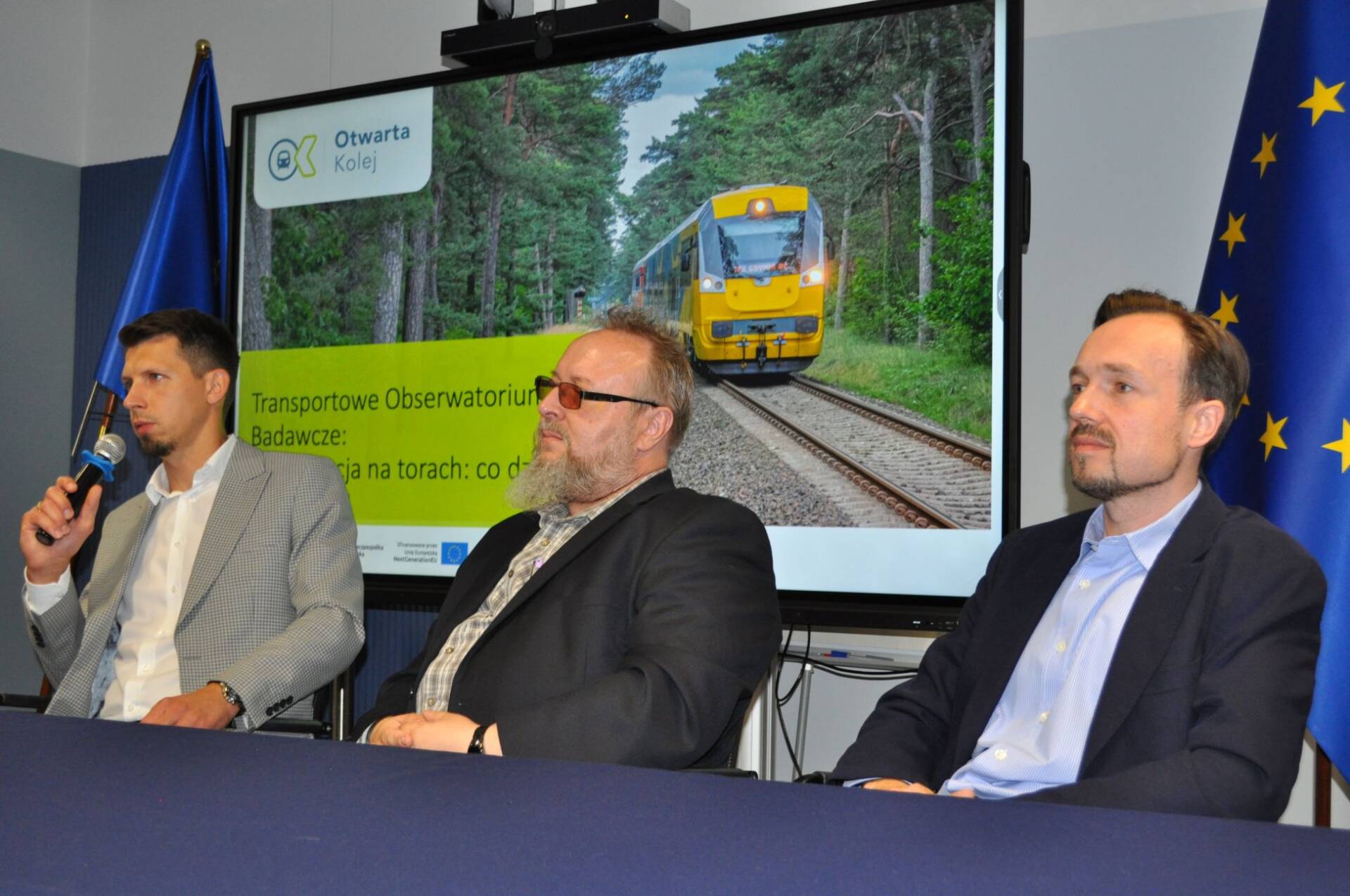
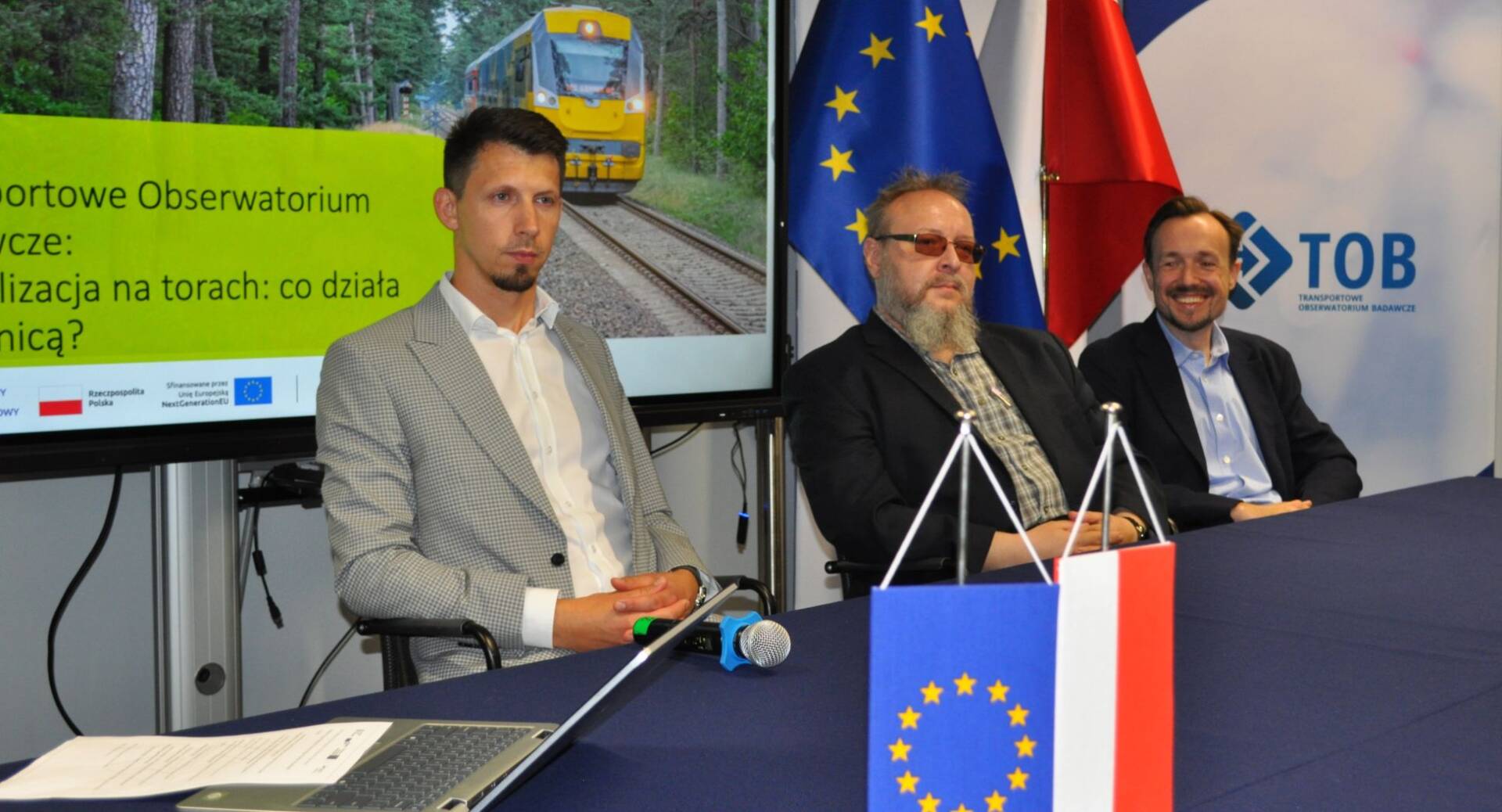
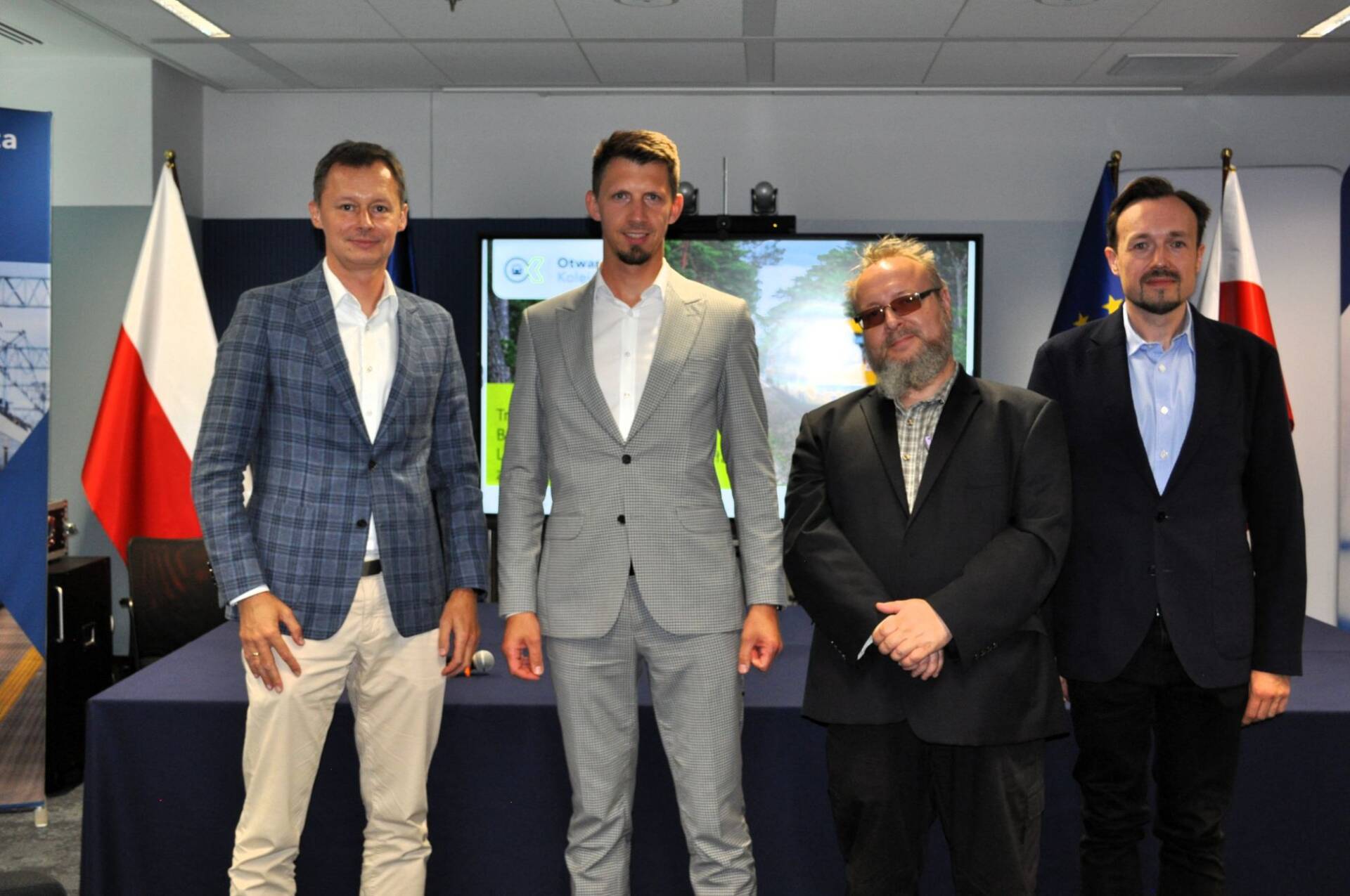
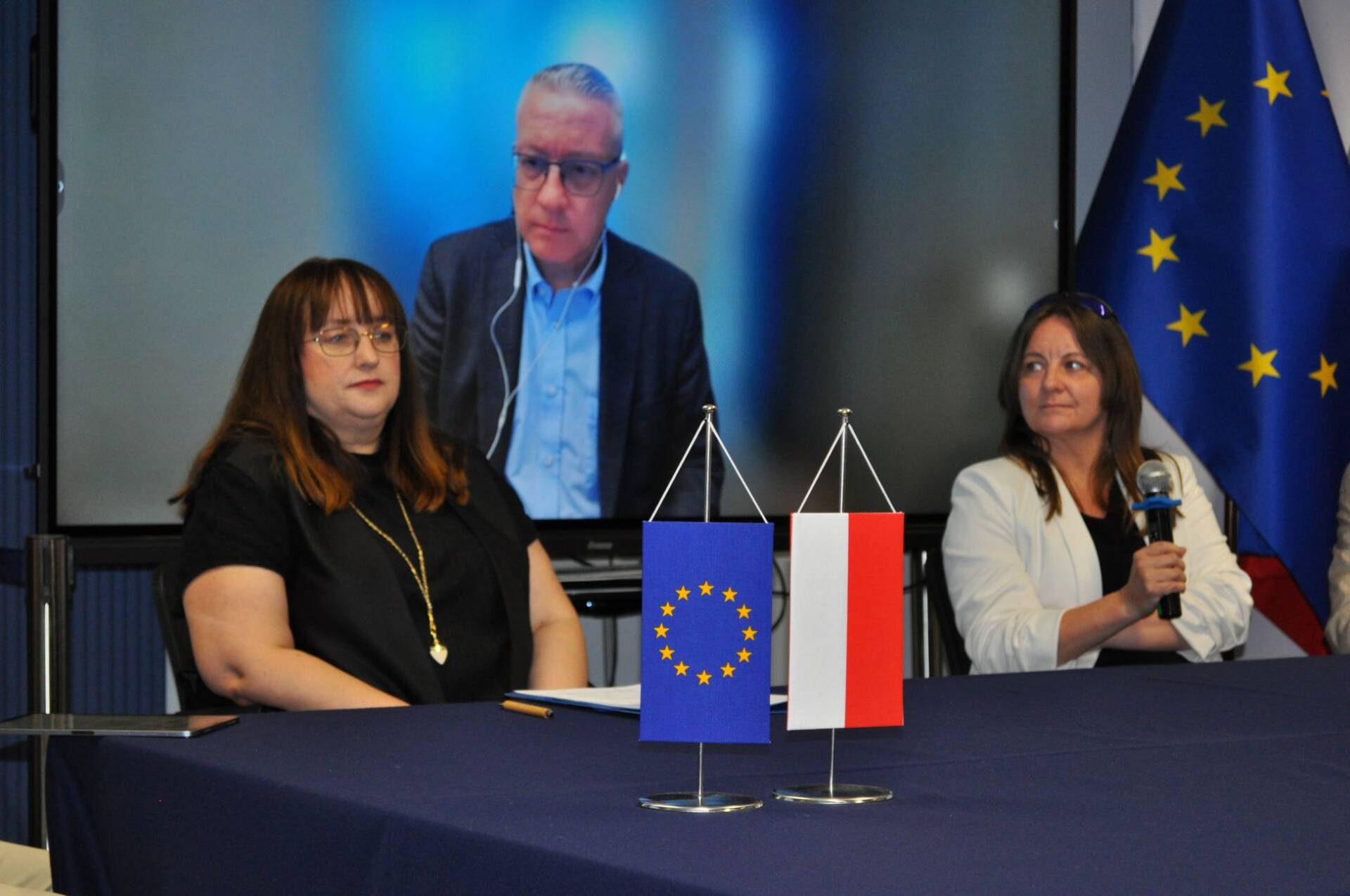
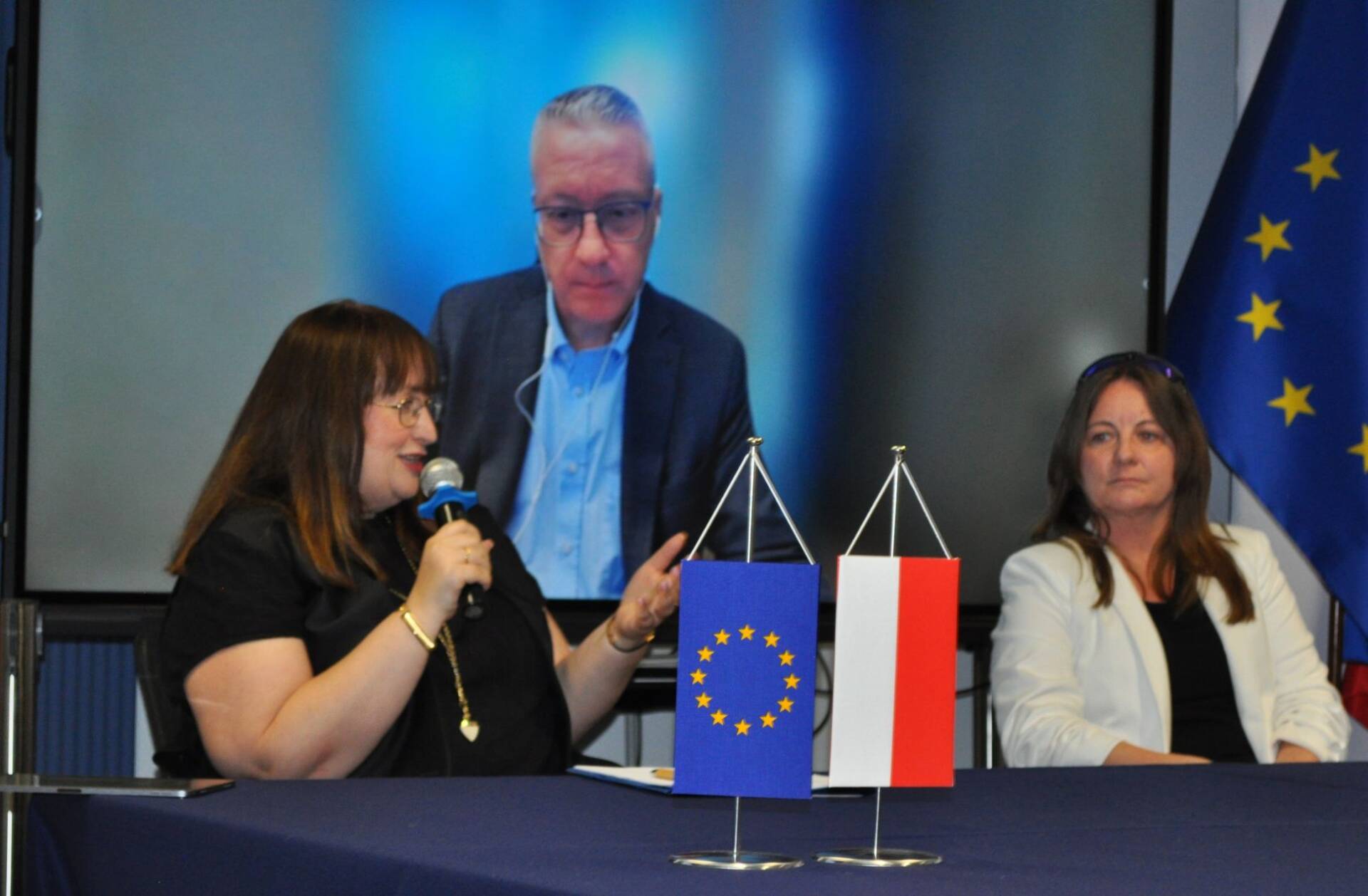
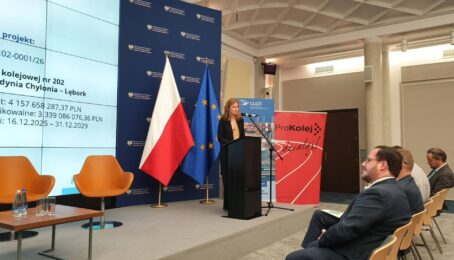
The meeting, which took place on June 25, 2026, at the CEUTP headquarters, focused on preparations for the opening of the rail passenger transport market, international experiences, and tools to support the organiser in the effective planning and implementation of public services. The program included presentations by experts from Poland and abroad, including presentations on the experiences of Sweden, Finland, and Spain, as well as panels on risks, barriers, and practical tools for transportation organizers.
CEUTP is supporting preparations for the market opening
In introducing the participants to the topic of the meeting, Edyta Jaszczuk, director of the Transport Organization Department at CEUTP, emphasized that the Center supports the Minister of Infrastructure in preparations for the market opening and in achieving the next milestones of this process.
“We’re on schedule—we’re completing the tasks assigned to us on time. It’s a tight and demanding schedule, but one that allows for effective process management,” the expert emphasized.
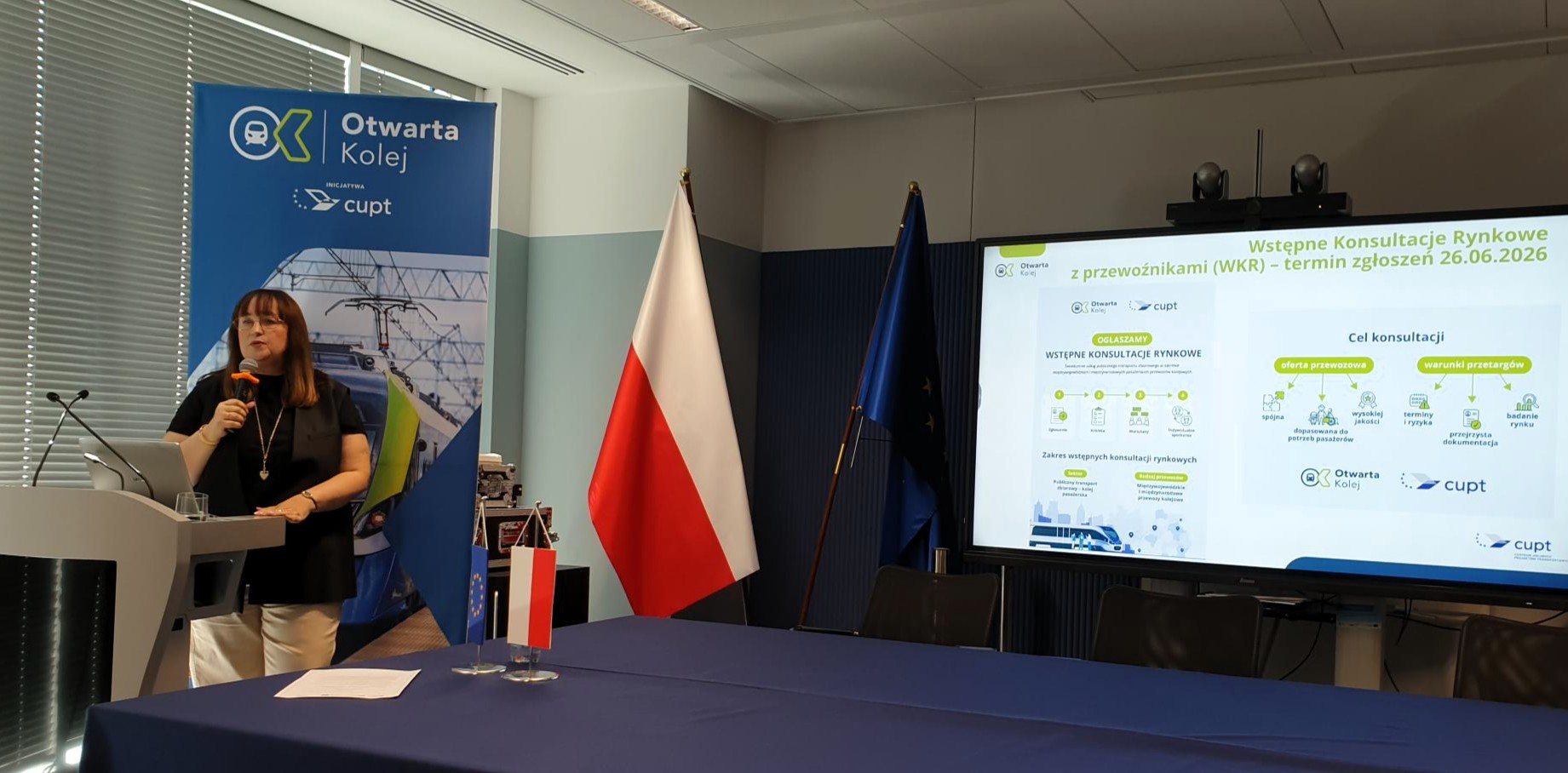
At the same time, she noted that CEUTP is working on several issues simultaneously: supporting the development of the transportation plan, preparing the service offering, service bundling, the financial model, and the guidelines for the tender documentation. Another important element of these preparations is the recently announced preliminary market consultation, which is intended to facilitate an orderly and transparent dialogue with the market.
“The preliminary market consultations are intended to help us better prepare the documentation and discuss the key assumptions of the process with the market in a transparent manner,” said Edyta Jaszczuk.
“The preliminary market consultations are intended to help us better prepare the documentation and discuss the key assumptions of the process with the market in a transparent manner,” said Edyta Jaszczuk.
The Director of the Department of Transportation Organization also noted that, following the publication of the preliminary announcement, a one-year period must elapse before the tenders are announced. CEUTP intends to use this time to further refine the guidelines, the bid, and the documentation.
“After publishing the preliminary notice, we have to wait a year—those are the legal requirements. We want to make the most of this time to refine the proposal and the bidding documents,” she added.
The Passenger at the Center of Change
One of the main themes of the debate was the passenger’s perspective. Participants emphasized that market liberalization and an increased number of operators must not lead to information chaos. The following factors are of key importance: a clear service offering, accessible information, the integration of schedules and tickets, and planning stability.
“Passengers shouldn’t have to worry about which carrier is providing the service or what system is behind it. Our job is to provide them with clear information, easy access to the service, and efficient transportation,” emphasized Edyta Jaszczuk.
Marta Stangreciak from the Railway Transport Office of the Marshal’s Office of the Kujawsko-Pomorskie Voivodeship also spoke in a similar vein
“We must remember that the goal is to transport as many people as possible and ensure that as many passengers as possible are satisfied with these services. Institutions should serve as the backdrop for the entire process—they are there to ensure that transportation runs smoothly and that passengers receive good service,” said the expert.
CEUTP aims to serve as a forum for dialogue, the exchange of experiences, and the development of solutions that can be applied more widely—both regionally and nationally.
“This isn’t about centralization or taking away authority. We want to be a place for dialogue, for sharing experiences, and for developing solutions that can also work in other regions or at the national level,” emphasized Edyta Jaszczuk.
During the discussion, attention was also drawn to the need for stability and predictability in the railway sector. Infrastructure investments, the purchase of rolling stock, and the implementation of new organizational models all require long-term planning.
Lessons Learned from International Experience
An important part of the workshop was a session devoted to international experiences with market liberalization. Experts discussed various models in use across Europe, including those from Sweden, Spain, and Finland. The event’s program included, among other things, a presentation on Sweden’s experience in combining open access with competitive bidding and ensuring network cohesion in a multi-operator environment.
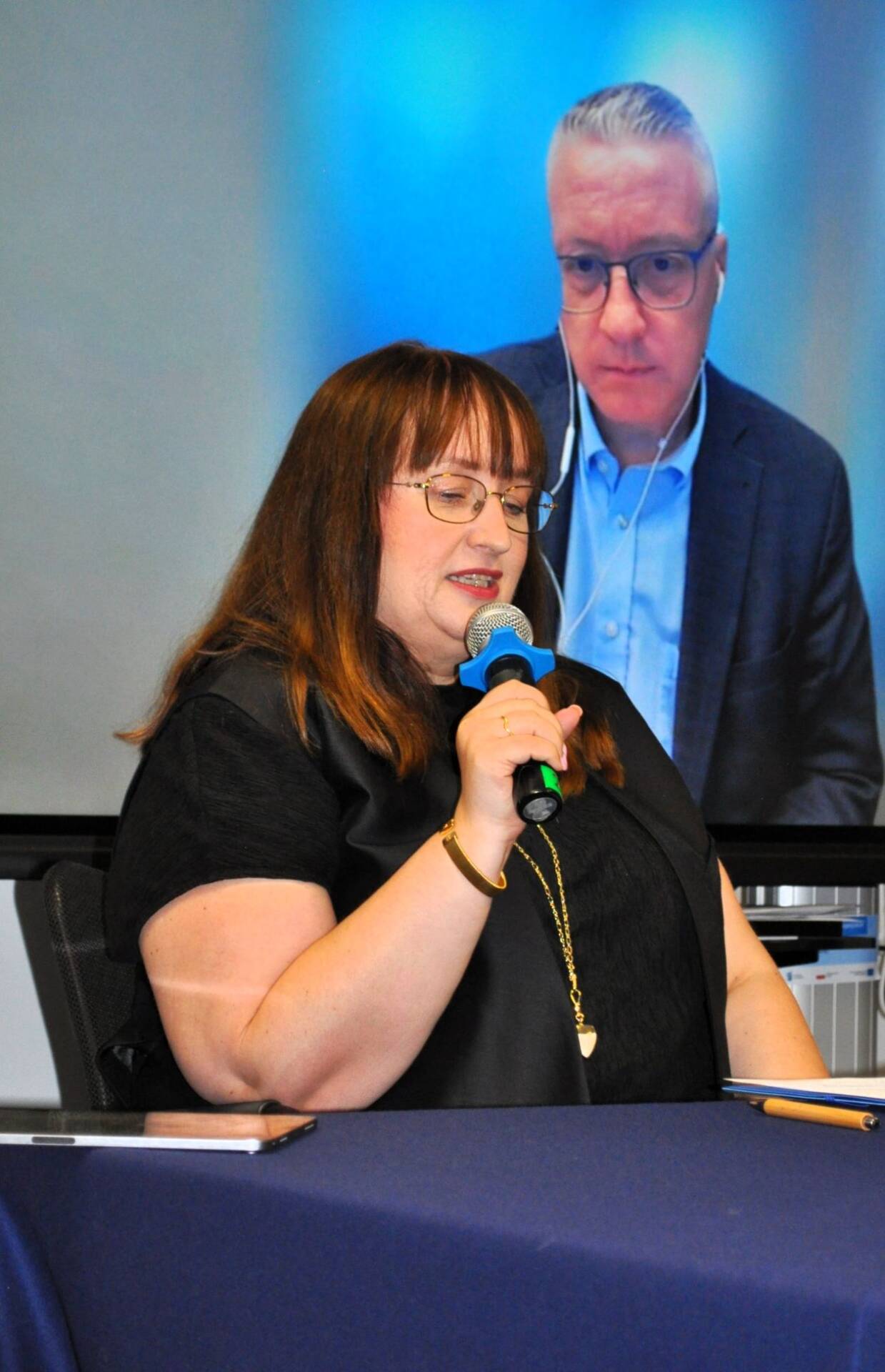
Dr. Gunnar Alexandersson, senior advisor for regulation and international affairs at SJ AB, also pointed out that the liberalization of the rail market is not a process that can be implemented perfectly from the very beginning. Sweden’s experience shows that the liberalization model matures gradually—through successive contracts, analysis of outcomes, dialogue with the market, and adapting tools to the actual needs of passengers and transportation operators.
“It will be difficult at first—and you have to realize that even with the best preparation, mistakes are inevitable. This is natural, because liberalization is a process that takes years, not months. There is no single ideal model that can be applied everywhere, nor is there a universal formula for opening up the market. Each country, acting within the framework of EU law, must develop its own solutions—ones that address the needs of passengers, the specific characteristics of the market, and national conditions,” added the expert from Sweden.
Responsible Market Liberalization
During the expert panels, considerable attention was also devoted to the risks associated with liberalization, including access to rolling stock, cost pressures, market fragmentation, and the need for organizers to be adequately prepared to conduct tenders. The discussion highlighted that the experiences of other segments of the transportation market could serve as an important lesson for passenger transport.
“Access to rolling stock is a very important issue that is inextricably linked to the liberalization process,” said Bartłomiej Morga, an expert on service offerings and timetables at Port Polska. This institution collaborates with CUPT on matters related to liberalization, including the service offerings set to take effect in 2035.
Jacek Grzyb, head of the Transportation Planning Department at CEUTP, urged that the mistakes made during the liberalization of the freight transport market not be repeated.
“The passenger transport market should learn from the experiences of the freight market—excessive price pressure and excessive fragmentation can have negative consequences for the entire segment.”
The workshop demonstrated that opening up the passenger rail market is not just a matter of tender procedures. It is also a process of building capacity, engaging in dialogue with the market, learning from the experiences of other countries, and consistently strengthening the role of rail in the transportation system. The focus of these efforts remains the passenger—and their access to better, more predictable, and more integrated transportation options.
In his summary of the event, Krzysztof Rodziewicz, director of the CEUTP Department of Transportation Analysis, noted that developing the ultimate market-opening model is a multi-year process that requires further experience and iteration.
“We will move toward the target model in stages—not only in the upcoming transportation tender, but also in the long term. This is demonstrated by Sweden’s experience, where the system evolved over many years through successive iterations of contracts: the first contracts were about 25 pages long, while the current ones are already about 250 pages long. This shows that as experience grows, so does the detail and maturity of the entire model. “It is important that in Poland this process primarily serves passengers and strengthens the role of rail in the distribution of transport tasks,” the expert said as he concluded the meeting and invited attendees to the next one, which will take place after the summer break.


Event reports
 25 June 2026 | EFICE
CEUTP Training for Employees of Provincial Monument Preservation Offices
On June 16–17, 2026, CEUTP experts conducted a training session in Wrocław for employees of the Provincial Offices for the Protection of Historical Monuments, focusing on the principles for implementing a technical assistance project under the European Funds for Infrastructure, Climate, and Environment 2021–2027.
More
 25 June 2026 | EFICE
Expert Workshop on Dual-Use Projects and Transportation Resilience, Featuring CEUTP
On June 19, 2026, an expert workshop titled “Dual-Use Projects and Building the Resilience of the Railway System with the Support of European Funds” was held in Warsaw. Among those participating in the event was Sylwia Cieślak-Wilk, deputy director of CEUTP, who presented an institutional perspective on the role of dual-use infrastructure in the EU’s current and future financial frameworks.
More
 25 June 2026 | EFICE
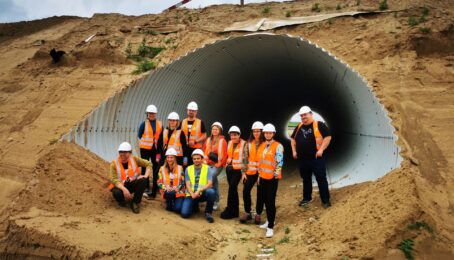
Via Carpatia Under Construction – CEUTP Experts Visit the Construction Site of the S19 Section North of Lublin
Experts from the CEUTP Department of Environmental Protection visited the construction site of a section of the S19 expressway north of Lublin, which is part of the international Via Carpatia route. The site visit provided an opportunity to assess the progress of the work and the challenges associated with the implementation of one of the most important road projects in eastern Poland.
More
 19 June 2026 | International cooperation
CEUTP Hosts a TAIEX Study Visit with Representatives from Lithuania
On June 16–18, 2026, a TAIEX study visit took place at CEUTP, organized in cooperation with partners from Lithuania. The meeting focused on exchanging experiences regarding the oversight of public procurement, the audit of EU-co-financed projects, and the application of financial corrections.
More
Contact us
Plac Europejski 2, 00-844 Warsaw
Monday – Friday,
hours: 8:15 am – 4:15 pm


